



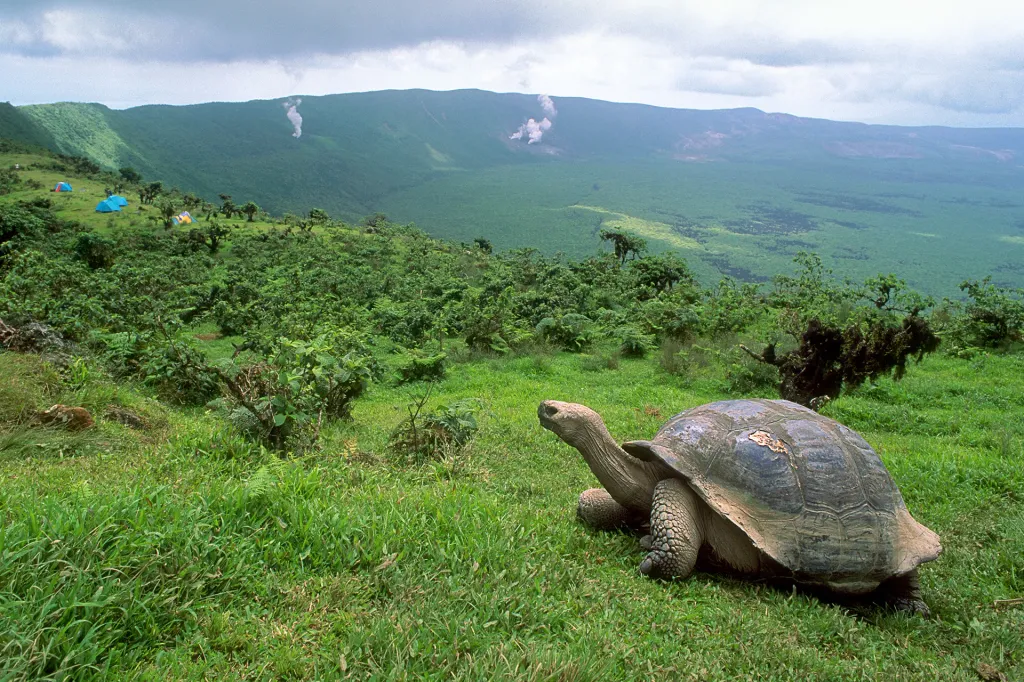
There are more than 8 billion people on the planet. By 2050, that number is expected to be nearly 10 billion. But other species have a less certain future. According to the Center for Biological Diversity, about 30% of known species could go extinct by 2050. Now there might be a way to protect them, or at least preserve their genes gene the information in a cell that determines a characteristic of a living thing (noun) . Then, even if they do vanish, scientists might one day bring them back.
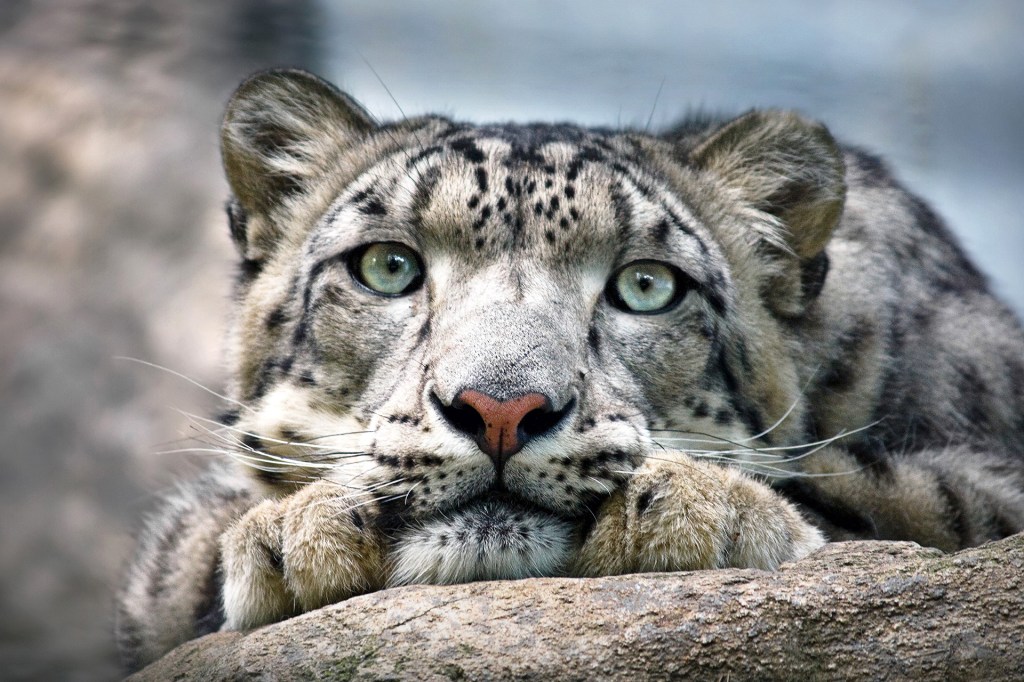
On February 3, the Colossal Biosciences company announced that it’s collecting millions of samples from more than 10,000 species. The samples will be stored at the Museum of the Future, in Dubai, United Arab Emirates. The project will focus first on the world’s 100 most at-risk species, such as the snow leopard, the savanna elephant, the great white shark, and the white rhino.
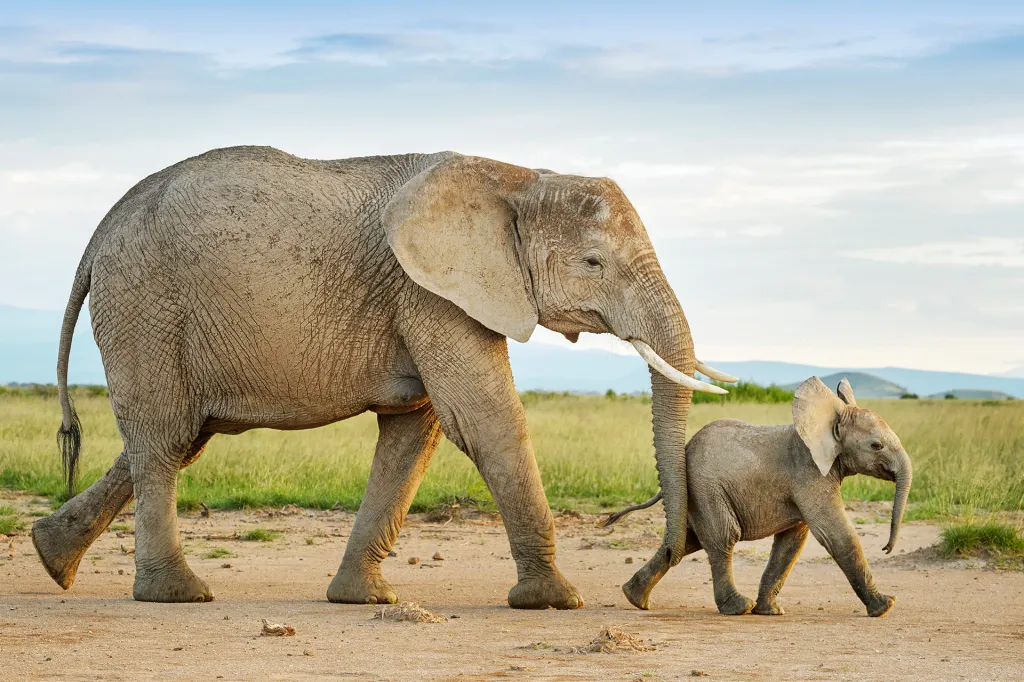
Savanna elephant
ANDRE ANITA—GETTY IMAGES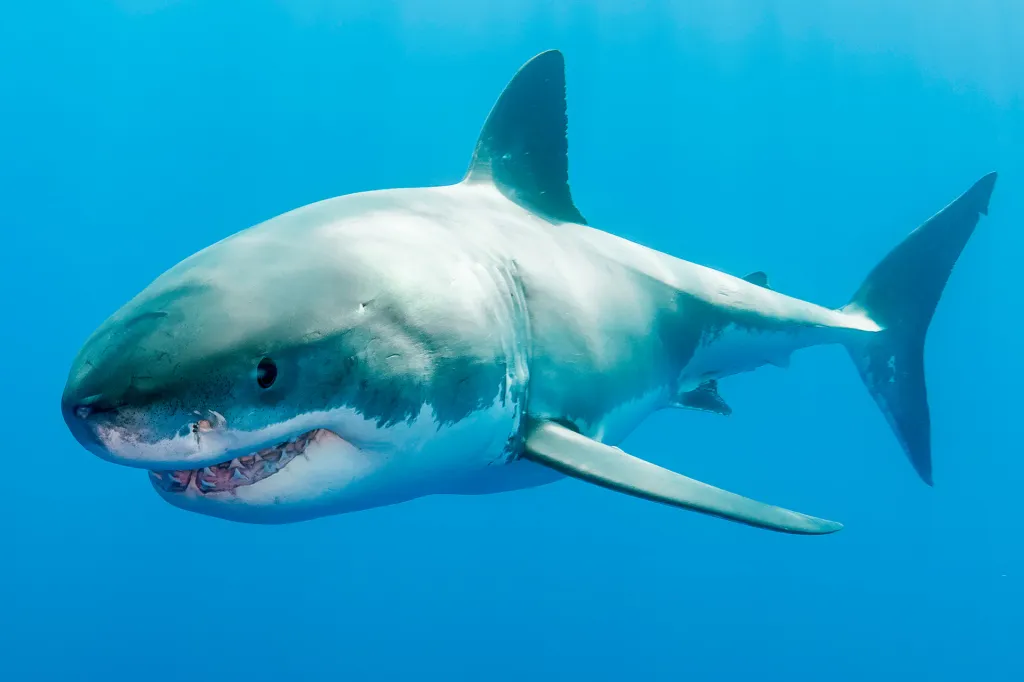
Great white shark
WILDESTANIMAL/GETTY IMAGES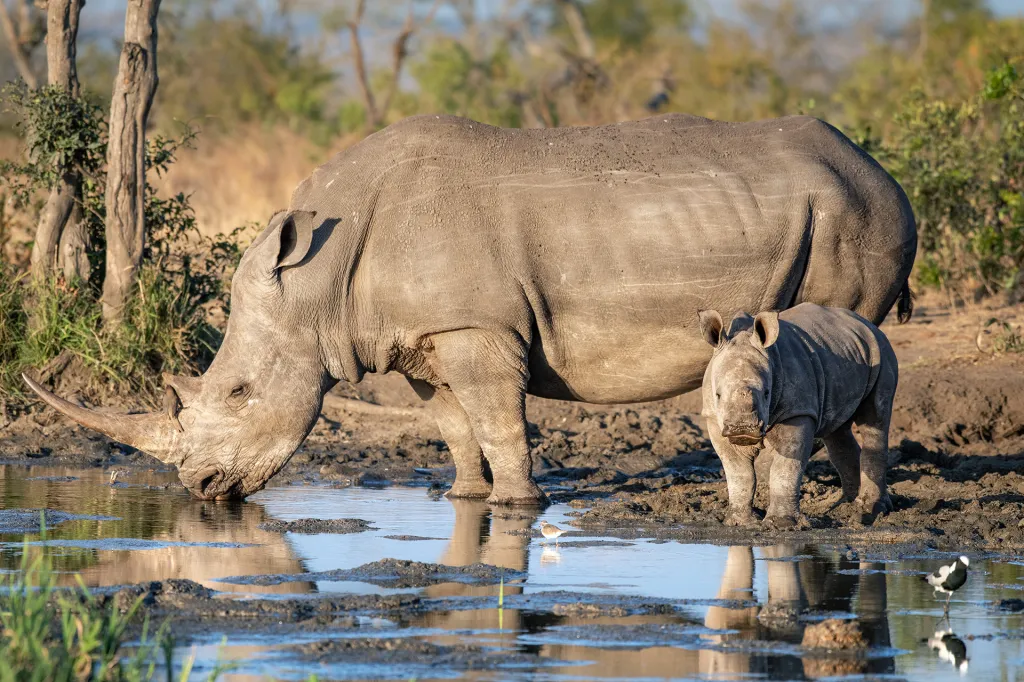
White rhino
ELLEN VAN BODEGOM—GETTY IMAGESColossal aims to open the lab, or biovault, in 2027. “Ten thousand species is our aspirational aspirational hoping for a high level of success (adjective) goal,” chief animal officer Matt James says. “We will chase that by adding several hundred [species] per year.”
Scientists At Work
The biovault won’t be just for storage. It will also be a working laboratory. Visitors to the museum will be able to watch scientists at work. And researchers everywhere will have access to the biovault’s data.
There are other biovault projects, such as one at the San Diego Zoo. But Colossal’s will be the largest. The company is working with 75 groups to collect samples from wild animals. Scientists will study the samples at the lab and store the data in the biovault’s digital library. The samples will then be stored in freezers at temperatures as low as -320°F.
“We are losing species at an alarming rate,” Colossal CEO and cofounder Ben Lamm said in a statement. “The world urgently needs . . . a true backup plan.”
More from Science


Share a Link
- Click the icon above to copy the url link to your clipboard.
- Paste the link into the location in which you share assignments with students. Examples might include, but are not limited to Canvas, Schoology and Edmodo.



Google Classroom
- Click on the icon above to share the article with a class in your Google Classroom.
- Choose an action. Options might include creating an assignment or asking a question.