



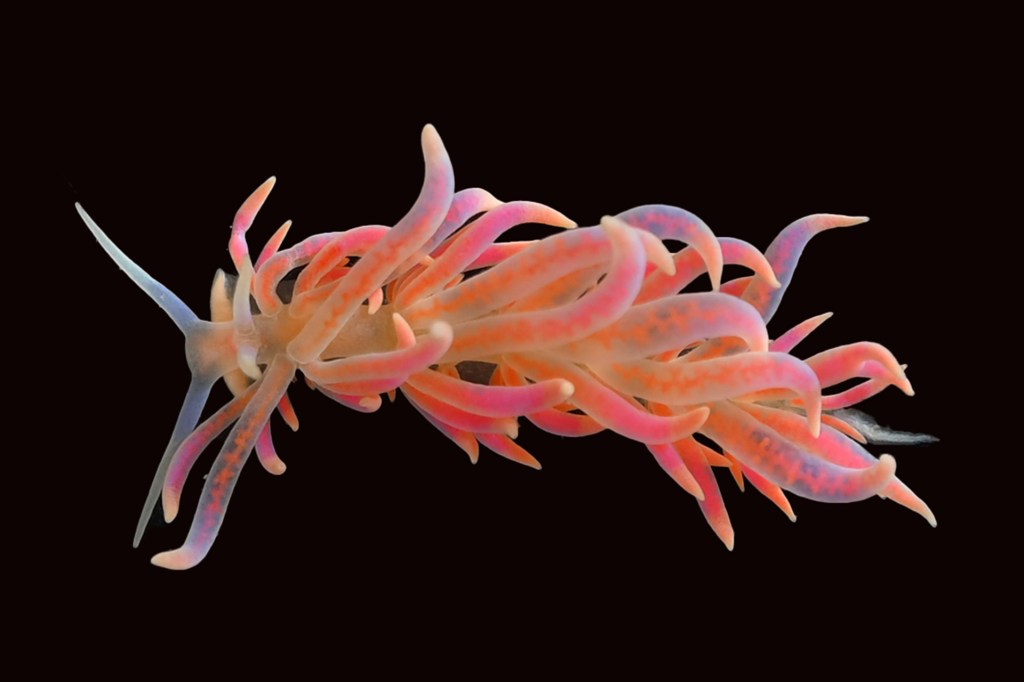
Thieves are lurking below the surface of the oceans. They don’t wear ski masks, with only their eyes visible. In fact, they don’t have real eyes at all. These thieves are colorful sea slugs called nudibranchs, and they’re found in ocean waters all over the world.
Sea slugs don’t have a shell, they aren’t spiny, and most are smaller than five inches long. So how do they stay safe? They steal the ability to sting from other sea creatures, and store the stings for later use.
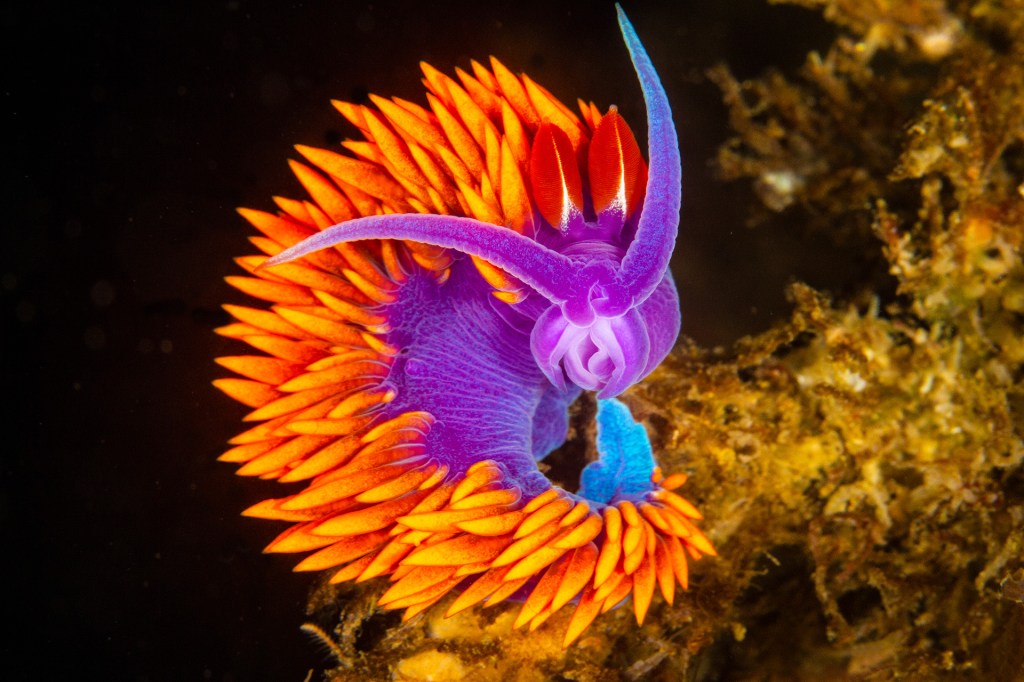
STINGING BEAUTY Spanish shawl nudibranchs get their bright colors from the stinging creatures they eat. Their colors indicate to predators that they’re poisonous.
DOUGLAS KLUG—GETTY IMAGES
Jessica Goodheart likens nudibranchs to tiny pirates. “Pirates go to other ships and pillage,” she told TIME for Kids. “They take their [enemies’] weapons, and that is kind of what these slugs are doing.” Goodheart is a professor and an assistant curator at the American Museum of Natural History, in New York City. She and her team are studying this animal ability.
Stay Away
There are 3,000 species of nudibranchs. Those in one group, the aeolids, are covered in soft spikes called cerata. These body parts are used for breathing. They’re also used for storing and dispensing painful stings.
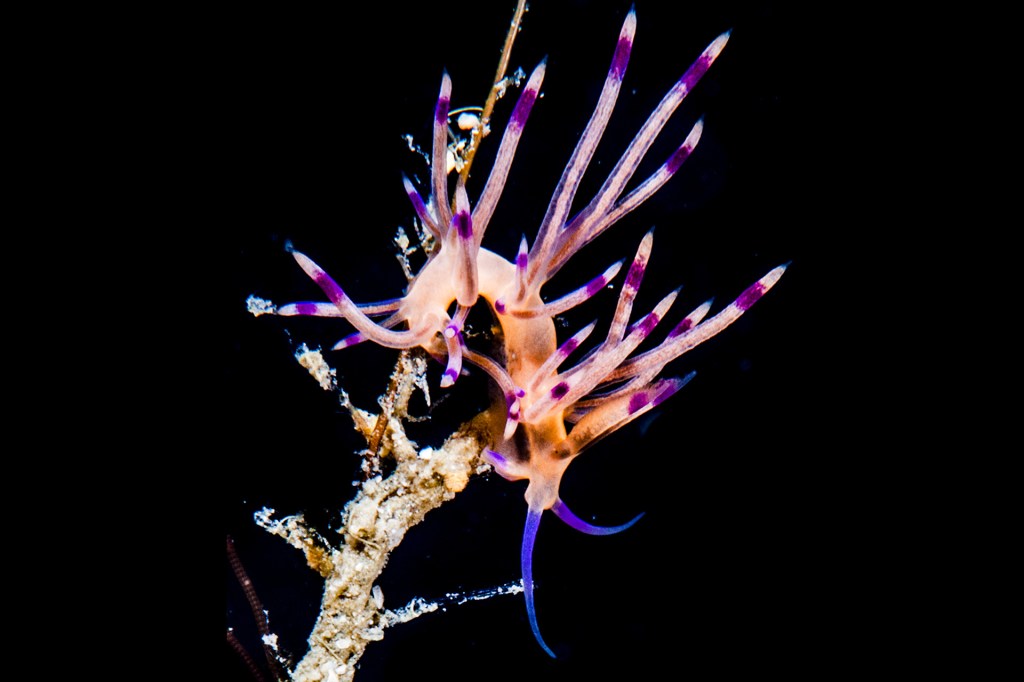
SOFT SPIKES The cerata covering this sea slug help the animal breathe. Their tips carry a painful sting.
GIORDANO CIPRIANI—GETTY IMAGES
Nudibranchs eat jellyfish, anemones, and other stinging creatures. The tentacles of these animals are lined with stinging cells cell one of the tiny units that make up all living things (noun) filled with venom. The cells eject tiny harpoons called nematocysts. These help the stinging creatures capture prey and defend themselves from danger.
Nudibranchs, though, are not affected by nematocysts. They swallow them without being harmed by them or digesting them. They store the tiny harpoons in their cerata, like pirates hoarding stolen weapons. Then, when a predator tries to eat them: ouch! The predator gets “a mouthful of these stinging structures, and any venom that comes with them,” Goodheart says.
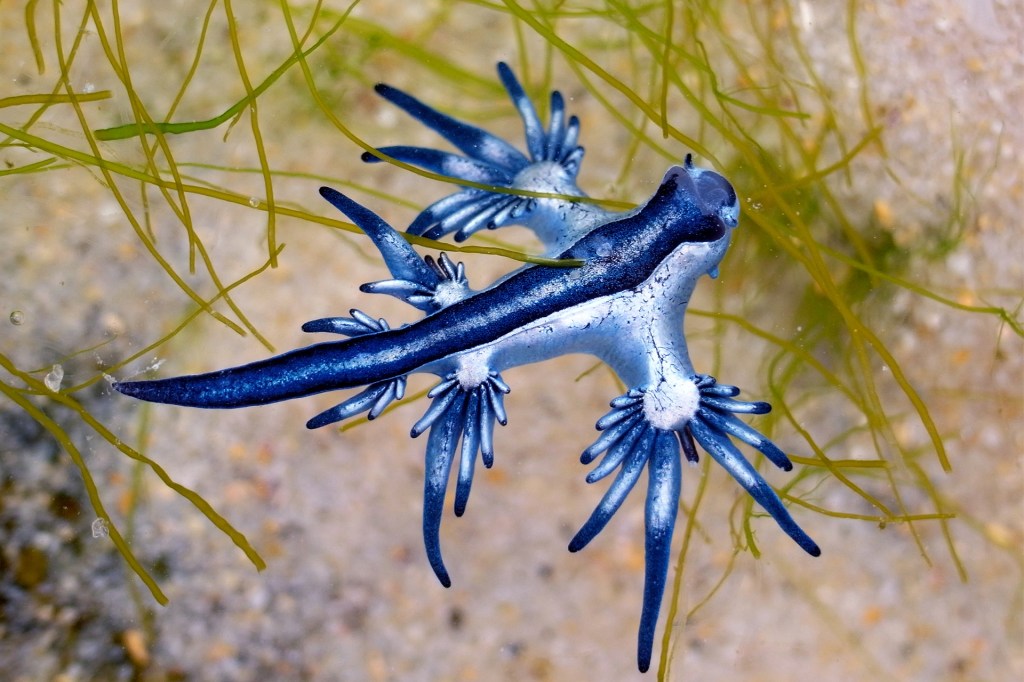
SMALL BUT MIGHTY The blue dragon nudibranch eats venomous men-of-war.
S. ROHRLACH—GETTY IMAGES
New Possibilities
Goodheart’s latest research has focused on trying to understand why nudibranchs are not harmed by nematocysts. Living things have certain cells that are capable of taking in and breaking down foreign objects. For example, white blood cells can surround and kill bad bacteria that enter the body. This is the immune system’s job. But a breakdown doesn’t happen when nematocysts enter nudibranchs’ cells. How do nudibranchs eat a stinging cell “without destroying it?” Goodheart asks. She published a study in June 2025 that found some answers.
Goodheart and her team looked closely at different parts of a nudibranch. They compared areas that store the stings with areas that do not. They found that the cells that store the stings are not directly involved with immunity or digestion. This means that those cells do not destroy or digest the nematocysts.
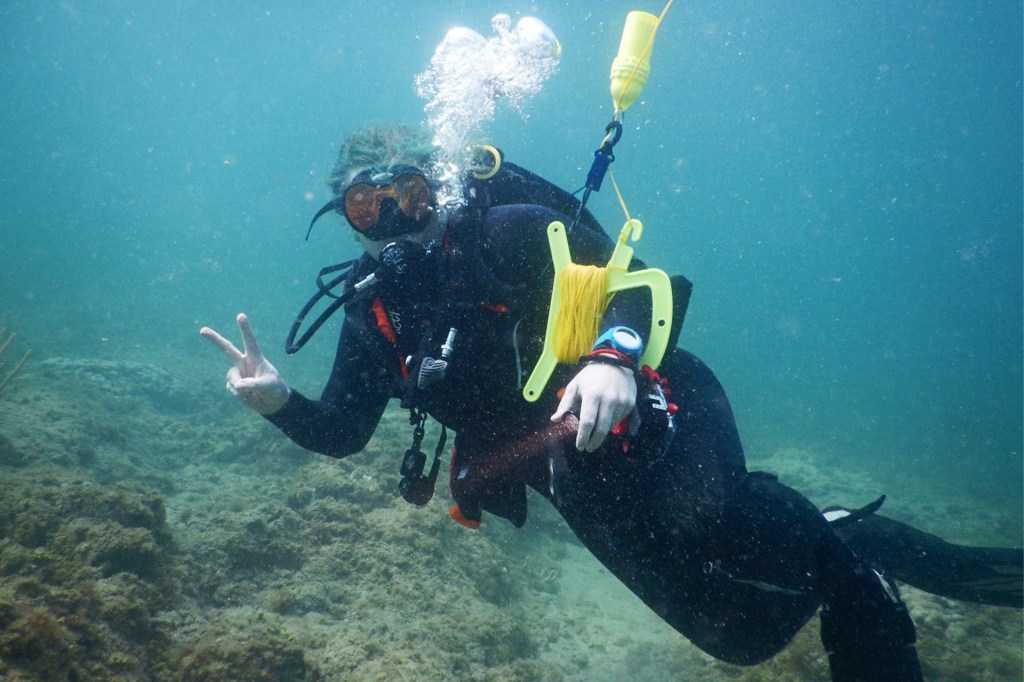
IN THE FIELD Jessica Goodheart scuba dives in search of nudibranchs. She also studies them in her lab.
KARA LAYTON—UNIVERSITY OF TORONTO
Understanding these specialized cells might help Goodheart understand how the human immune system can adapt adapt to change or adjust (verb) . Imagine a blood cell that’s able to pick up a nematocyst carrying medicine. The cell could “release it in an area that you want to specifically deliver it,” Goodheart says—a possible medicine-delivery system, adapted from slugs. Scientists are investigating the possibilities.
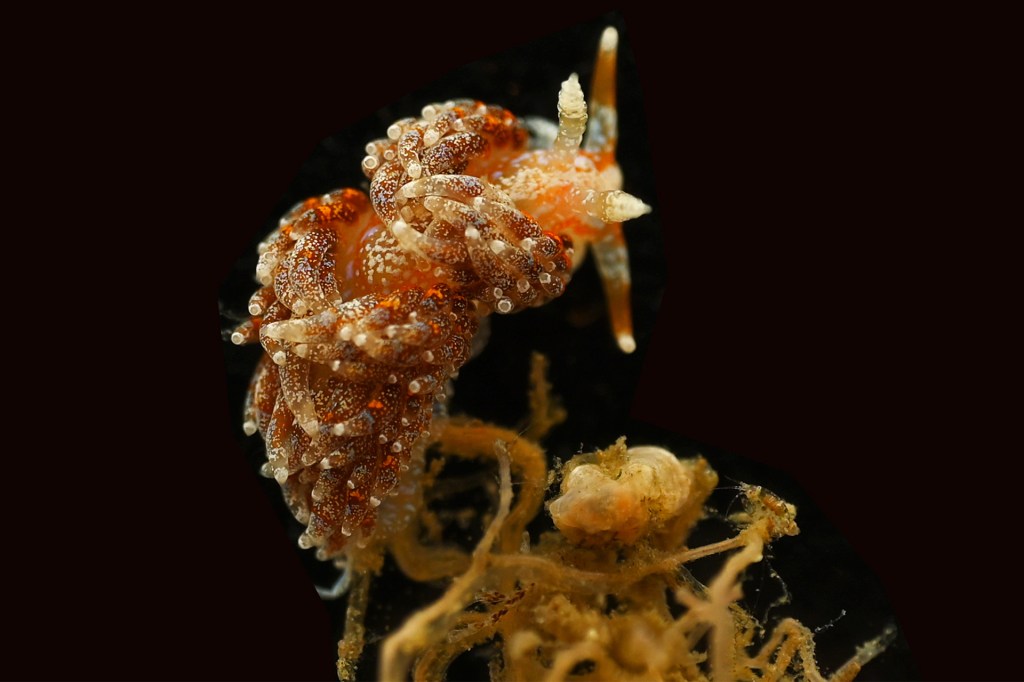
SLUG SNAPSHOT An Australian sea slug poses for Goodheart.
JESSICA GOODHEARTSea Grazing
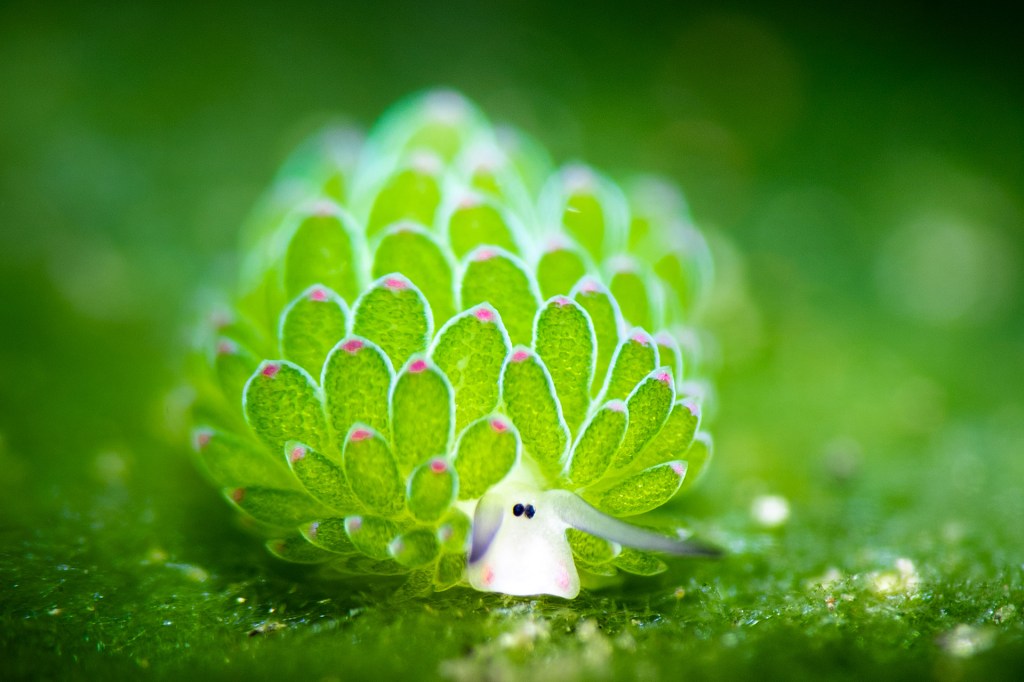
The Costasiella sea slug is sometimes referred to as a leaf sheep slug. Its cerata are green, so it resembles a plant.
Unlike other nudibranchs, the Costasiella sea slug does not steal stings. Instead, it eats seaweed and steals the structures that give the seaweed its green color. This allows the slug to perform photosynthesis. That’s a process typically done by plants, which allows this sea slug to turn the sun’s rays into energy.
More from Science



Share a Link
- Click the icon above to copy the url link to your clipboard.
- Paste the link into the location in which you share assignments with students. Examples might include, but are not limited to Canvas, Schoology and Edmodo.



Google Classroom
- Click on the icon above to share the article with a class in your Google Classroom.
- Choose an action. Options might include creating an assignment or asking a question.