




Human Nature
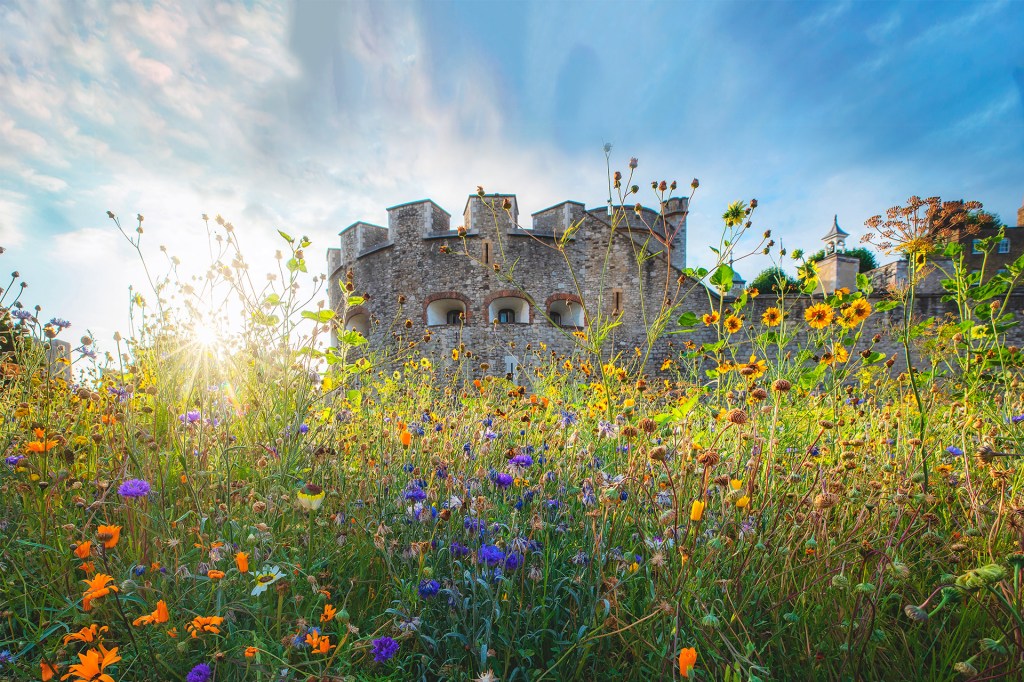
City parks. Meadows. Farmland. These outdoor spaces can define a community. They’re places to work. They’re also places to unwind and connect with neighbors. And they’re in trouble. Issues such as heat, drought, and flooding threaten many of these places. That’s why World Monuments Fund (WMF) is trying to protect them.
WMF is dedicated to cultural heritage sites. These are important sites that reflect the historic culture of a place. WMF recently started a program called Cultivating Resilience resilience the ability to withstand difficulties or changing circumstances (noun) . It focuses on preserving what WMF calls “green heritage spaces.” These outdoor spaces include farmland, parks, and sacred sites. They’re located all over the world.
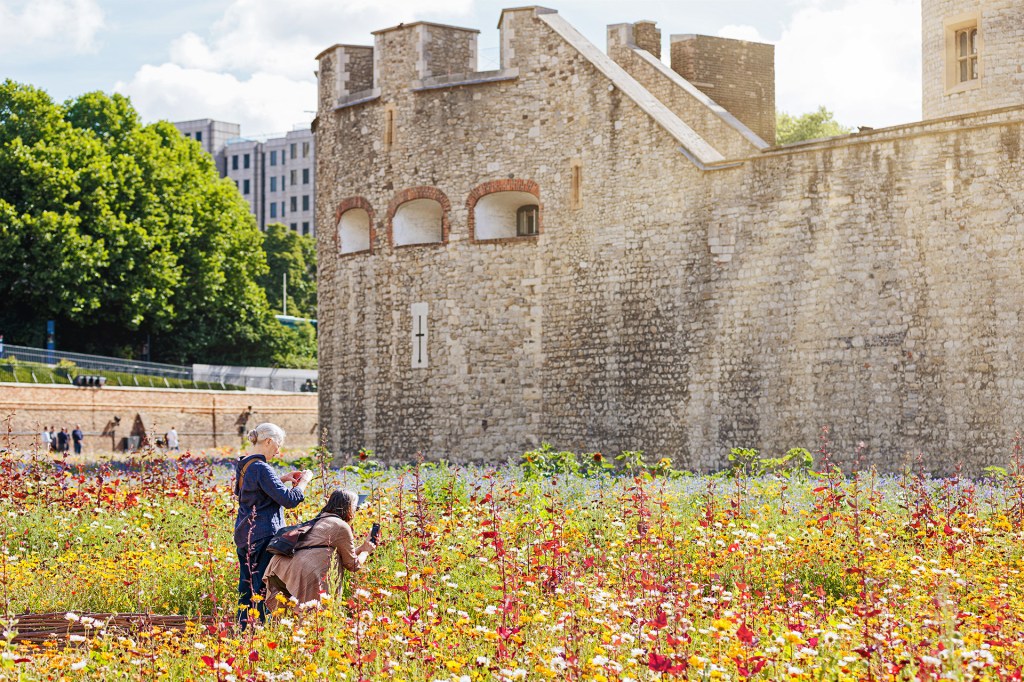
HISTORY IN BLOOM Visitors enjoy a vibrant wildflower display at the Tower of London moat, in London, England.
COURTESY HISTORIC ROYAL PALACES“Climate change is one of the most urgent threats facing cultural heritage today,” the group says on its website. “As climate-related threats intensify, green heritage spaces face mounting pressures.”
Green Spaces
In 2024, WMF began the Cultivating Resilience program. There was a call for applications. Meredith Wiggins is a director there. She told TIME for Kids that WMF got 55 applications from 25 countries. Seven sites were chosen. Some are shown on these pages. WMF is helping these spaces adapt to a changing world.
Some of the sites involve “agricultural systems that are thousands of years old,” Wiggins says. One example is in Peru. There, WMF and Indigenous Indigenous of or relating to the original inhabitants of a place (adjective) leaders are working to preserve fields called waru warus.
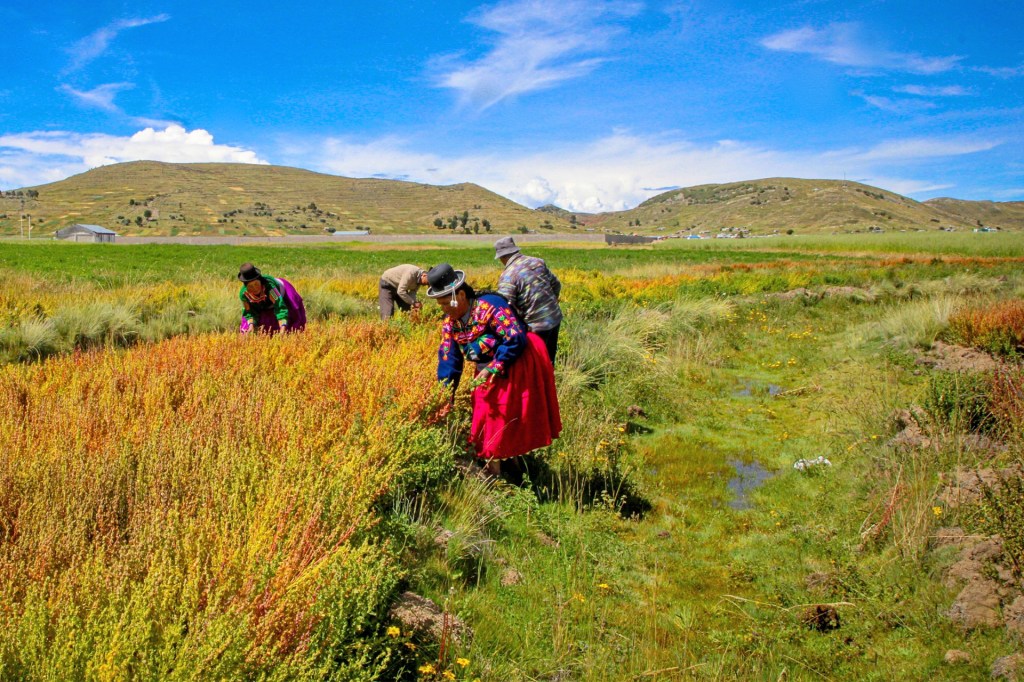
PROUD TRADITION Peruvian farmers harvest crops in a waru waru field. This farming method dates back to 1000 B.C.
COURTESY WORLD MONUMENTS FUNDAnother example is in Mexico City, Mexico. WMF is focusing on the chinampas of the Xochimilco district. Chinampas are islands in Mexico City’s wetlands. They were created more than a thousand years ago. They’re used for farming. They’re also a home for wildlife, and they help keep Mexico City’s water clean. WMF hopes to protect the chinampas from threats that include drought and heat.
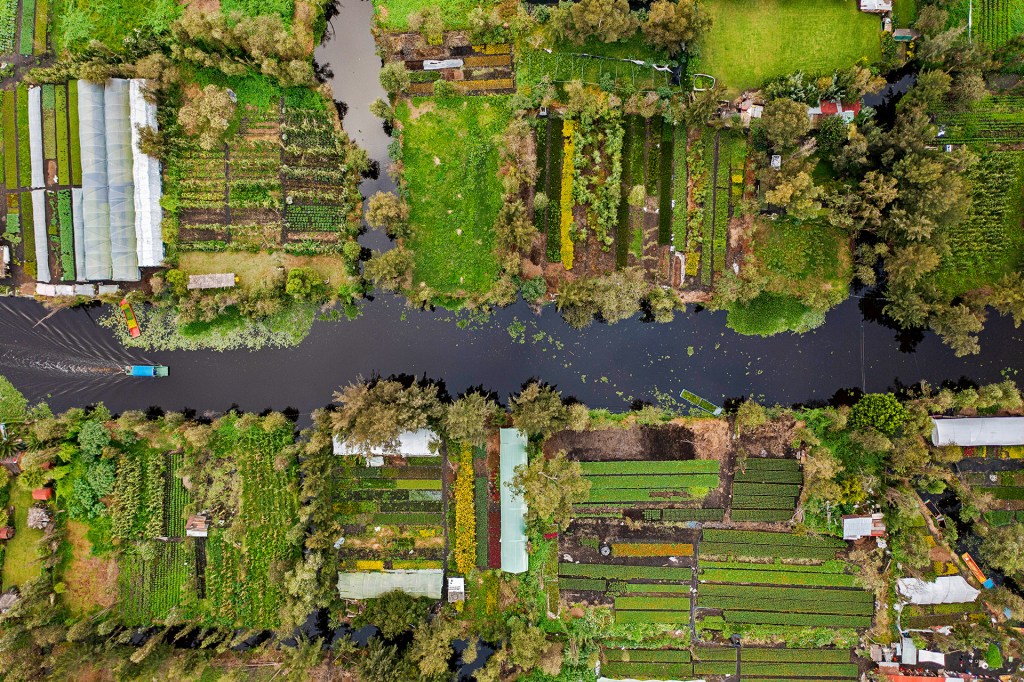
FLOATING FARMS Diverse crops are grown on these islands, called chinampas, in Mexico City, Mexico.
GEORGE STEINMETZ
Thriving Communities
The Cultivating Resilience program covers nonagricultural sites, too. Osun-Osogbo Sacred Grove is a forest in Nigeria. For Yoruba people in West Africa, it’s a place of worship.
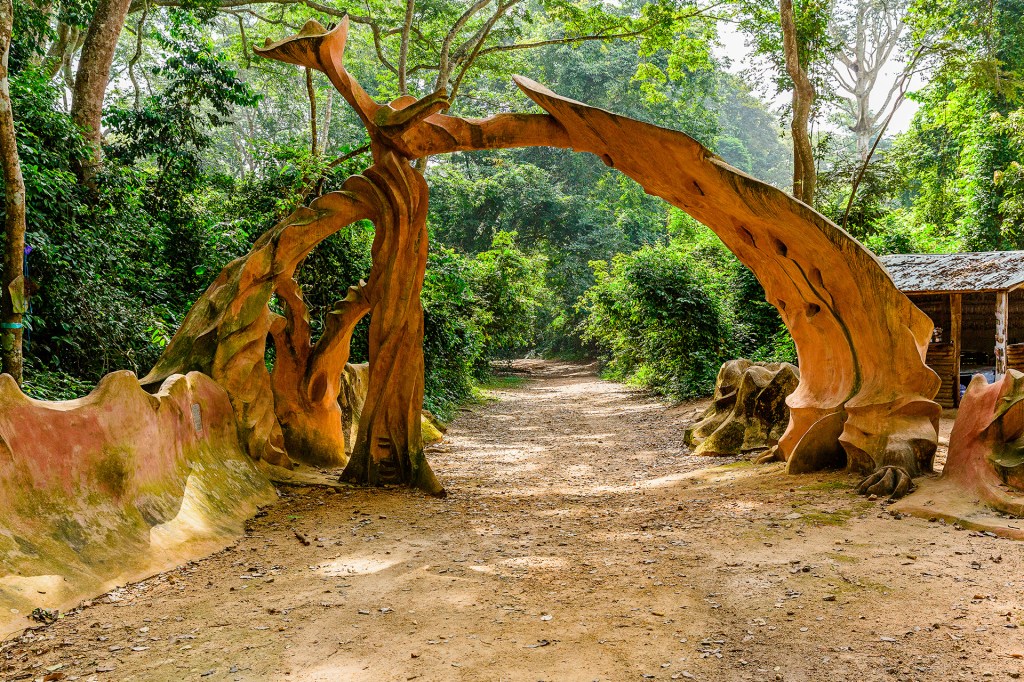
SACRED PLACE Osun-Osogbo Sacred Grove is a cultural site in Nigeria.
FELA SANU—ADOBE STOCKIn New York City, WMF is working with the Central Park Conservancy, a nonprofit group. Grey Elam is a director there. Her team is helping WMF protect the park from climate change. They’re looking at all aspects of the park. These include its wildlife and trees, she told TIME for Kids.
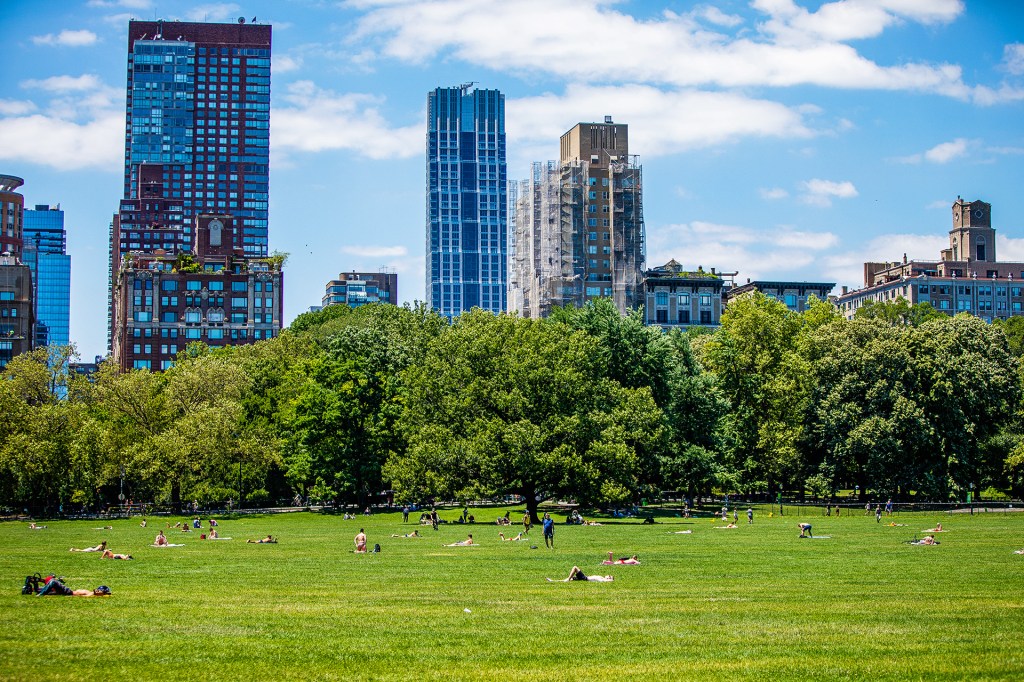
NEW YORK’S BACKYARD City-dwellers lounge in Sheep Meadow, in New York City’s Central Park.
COURTESY CENTRAL PARK CONSERVANCY“Our mission is to make sure that the park remains safe, clean, and beautiful,” Elam says. “This program has really given us the opportunity to learn more so that we can better prepare ourselves, our staff, and the park for climate challenges.”
Heritage at Home
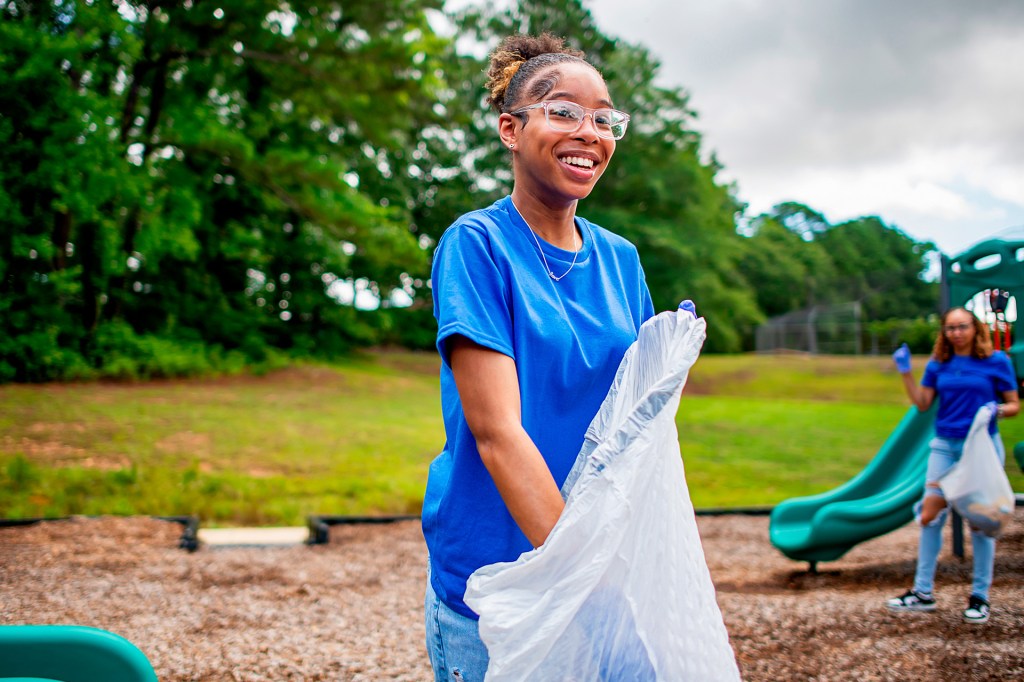
Communities everywhere can celebrate their green spaces. These can be parks that fill up with friends having fun on weekends. They can be gardens where neighbors tend flowers. All such places need support. To provide it, community members can organize cleanup events, for example. Or they can plant trees. “If you begin to care for a green space, then it will become part of your heritage,” says WMF’s Meredith Wiggins.
More from World



Share a Link
- Click the icon above to copy the url link to your clipboard.
- Paste the link into the location in which you share assignments with students. Examples might include, but are not limited to Canvas, Schoology and Edmodo.



Google Classroom
- Click on the icon above to share the article with a class in your Google Classroom.
- Choose an action. Options might include creating an assignment or asking a question.