



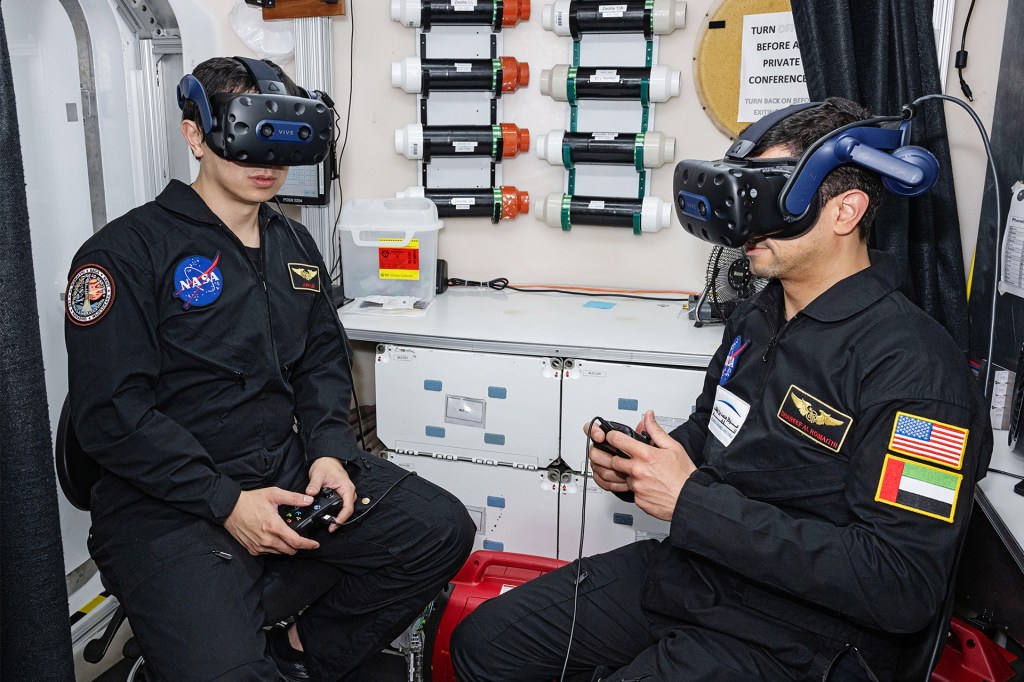
Do you have what it takes to go to Mars? Or to pretend to go to Mars, at least? NASA is seeking four participants. They’re needed for a yearlong simulated simulated reproducing the appearance or effects of (adjective) mission to space. It’s called the Moon and Mars Exploration Analog analog something similar or comparable to something else (noun) . It might start as early as August 2027.
Participants won’t actually go to space. A NASA press release says this mission will simulate “multiple parts of a moon or Mars mission.” It will help NASA understand what astronauts might go through during deep-space travel or while living on Mars. No one has ever been to Mars. So the dangers aren’t fully known. This analog is a safe test run.
Life on “Mars”
Recruits will go to the Johnson Space Center. That’s in Houston, Texas. They’ll live in two facilities. One looks like the interior of a spacecraft. The other is modeled after a Mars habitat.
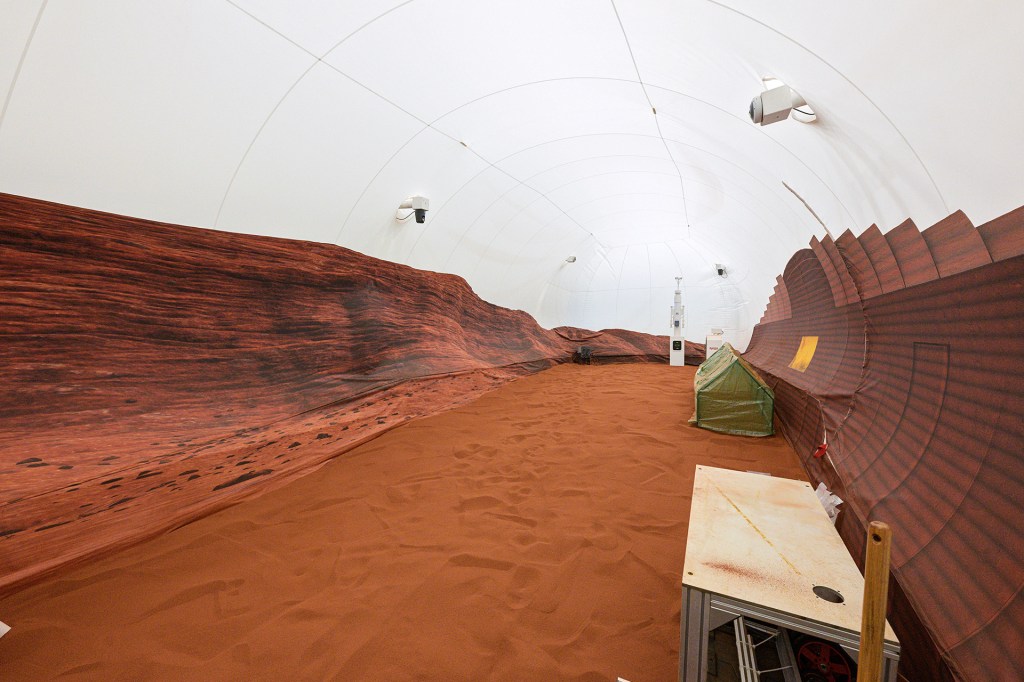
PEEK INSIDE This “sandbox” section of the analog facility will let participants practice walking on a simulated Mars surface.
NASA
The four participants will live in the facilities. They’ll be there for a year. They’ll go on virtual spacewalks. They’ll face communication delays. They’ll deal with being away from family and friends.
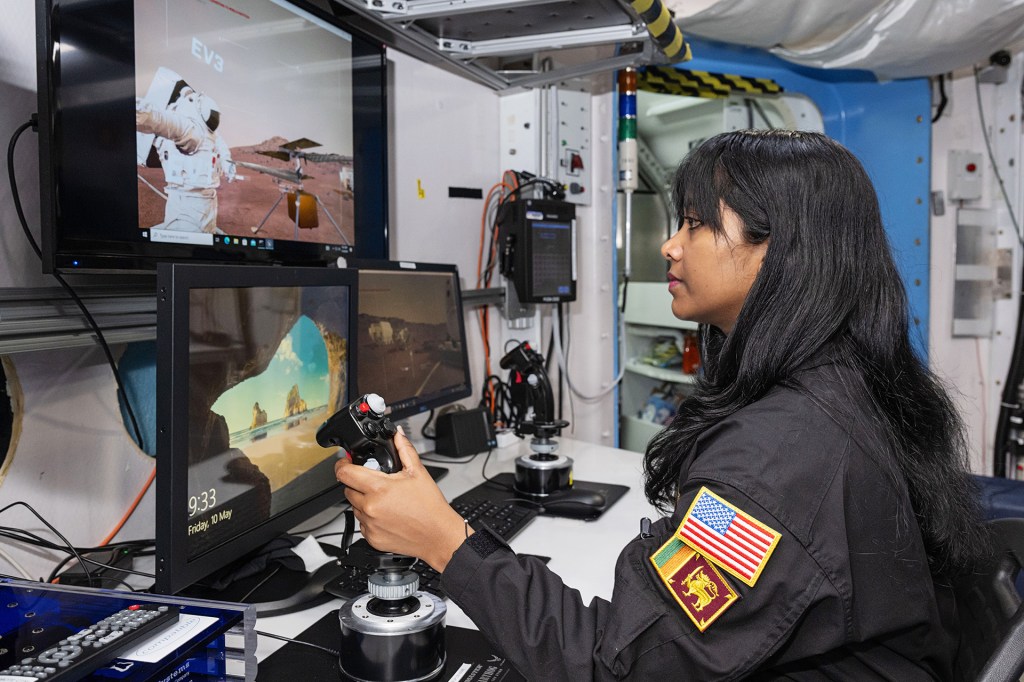
PRACTICING SKILLS A crewmember pilots a virtual drone during a simulation.
NASA
Sara Whiting is a scientist for NASA’s Human Research Program. She spoke with TFK about how this mission will serve future space travel. “We want to develop permanent habitation on the moon, and learn how to do that really well,” Whiting says. “We can then take that and translate it to Mars.”
But first, NASA needs information. On a real Mars mission, for example, it would be hard for NASA to send help in an emergency. It would be hard to deliver supplies. The simulation will give NASA data to help astronauts “be healthy, be happy, and be successful” on future missions, Whiting says.
More from Science




Share a Link
- Click the icon above to copy the url link to your clipboard.
- Paste the link into the location in which you share assignments with students. Examples might include, but are not limited to Canvas, Schoology and Edmodo.



Google Classroom
- Click on the icon above to share the article with a class in your Google Classroom.
- Choose an action. Options might include creating an assignment or asking a question.