



Space School
Imagine traveling to space. What skills would you need? You’d need to know how to fly your spacecraft. You’d need to know how to stay healthy in orbit, too.
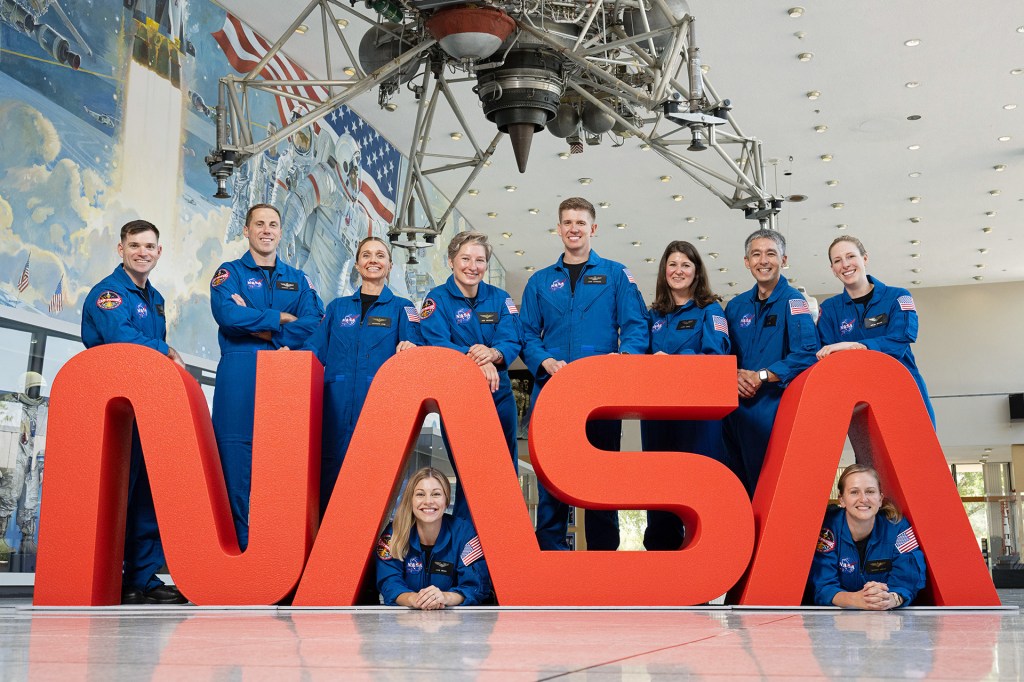
NASA astronauts must learn these skills and others. They complete the agency’s Astronaut Candidate candidate a person who is trying to get elected to office or chosen for a position (noun) Program. It’s a two-year course. It’s designed to train new recruits. In September, the agency welcomed 10 newcomers. They’ll spend the next two years learning what it takes to travel to space.
Future Astronauts
NASA announced the new candidates on September 22. They were recognized with a ceremony. It was held at the Johnson Space Center, in Houston, Texas. Sean Duffy was the acting NASA administrator at the time of the announcement. He spoke at the ceremony. The new candidates prove “there is no limit to what a determined dreamer can achieve,” Duffy said. “Even going to space.”
These candidates are part of an elite group. Since 1959, NASA has selected just 370 astronauts. In his speech, Duffy noted that more than 8,000 people applied for the 2025 program. (See “Help Wanted.”)
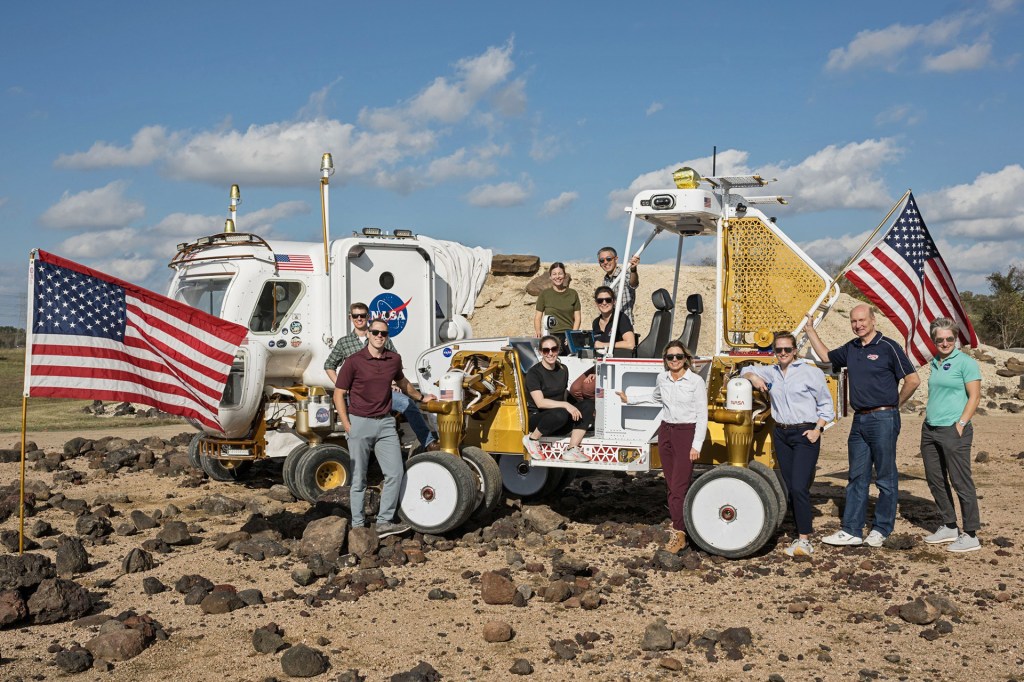
LET’S ROLL At the Johnson Space Center, the candidates learn to drive lunar rovers, which will be used in space.
COURTESY NASA
The candidates come from different backgrounds. Some of them have served in the military. Adam Fuhrmann is one. He’s a major in the United States Air Force. Others are scientists. Candidate Lauren Edgar is a geologist geologist a scientist who studies the Earth’s materials, such as rocks, minerals, and soil (noun) .
Rebecca Lawler is another of the newcomers. She’s a pilot. She served as a lieutenant commander in the U.S. Navy. She has logged more than 2,800 hours in more than 45 aircraft. She even spent time as a hurricane hunter. She flew into hurricanes to help scientists gather data. Lawler is now learning a whole new set of skills.
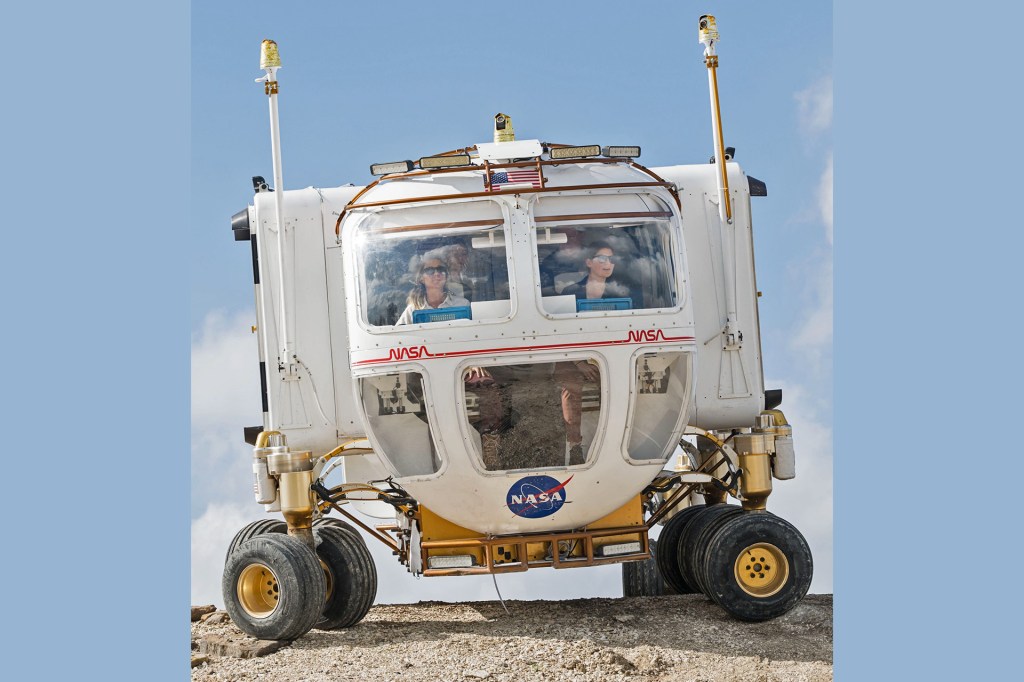
TEST DRIVE Candidates Rebecca Lawler (left) and Lauren Edgar drive a lunar rover at the Johnson Space Center.
COURTESY NASA“The training is really fun,” Lawler told TFK Kid Reporter Hanming Wang. “I’m studying as hard as I can. I’m going to take this moment and learn everything I can.”
Training for Takeoff
Lawler and her classmates are studying subjects such as robotics, geology, and medicine. They’ll conduct simulated spacewalks. They’ll learn to fly jets. They’ll also learn communication skills. Lawler is studying Russian, in case she ever needs to work with cosmonauts.
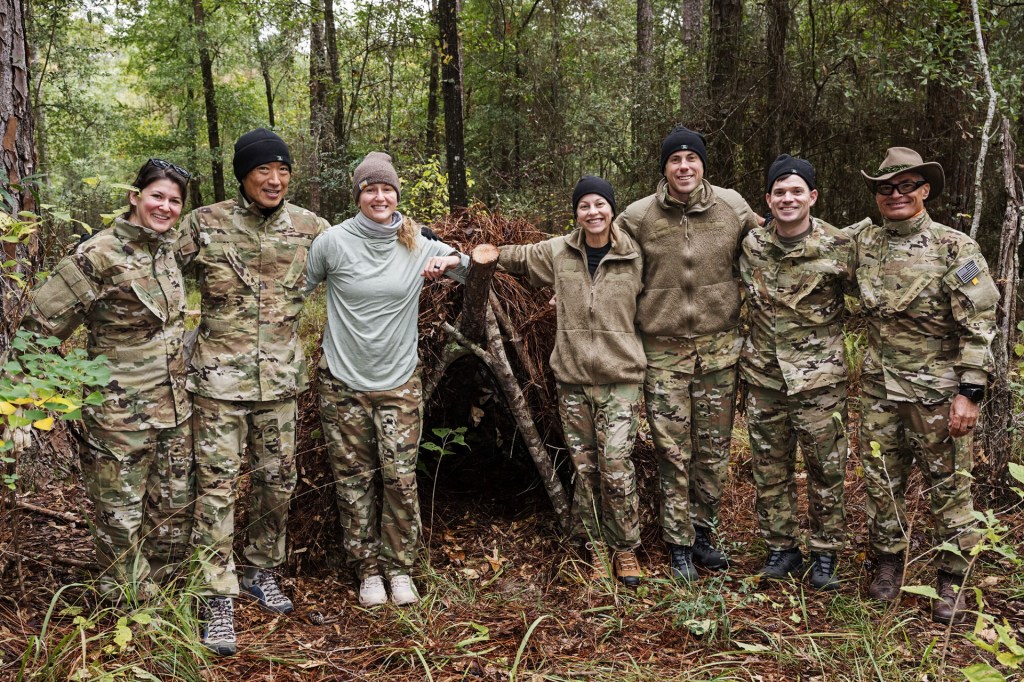
NEW SKILLS The crew practices survival skills in Fort Rucker, Alabama.
COURTESY NASA
After graduation, the 2025 class will join NASA’s astronaut corps. They might conduct research aboard the International Space Station. They could walk on the moon. It’s not impossible that they’ll travel to Mars. “Growing up as a kid in north Texas, I was always interested in watching aircraft fly overhead,” Lawler says. Soon, she may be soaring out of sight.
Help Wanted
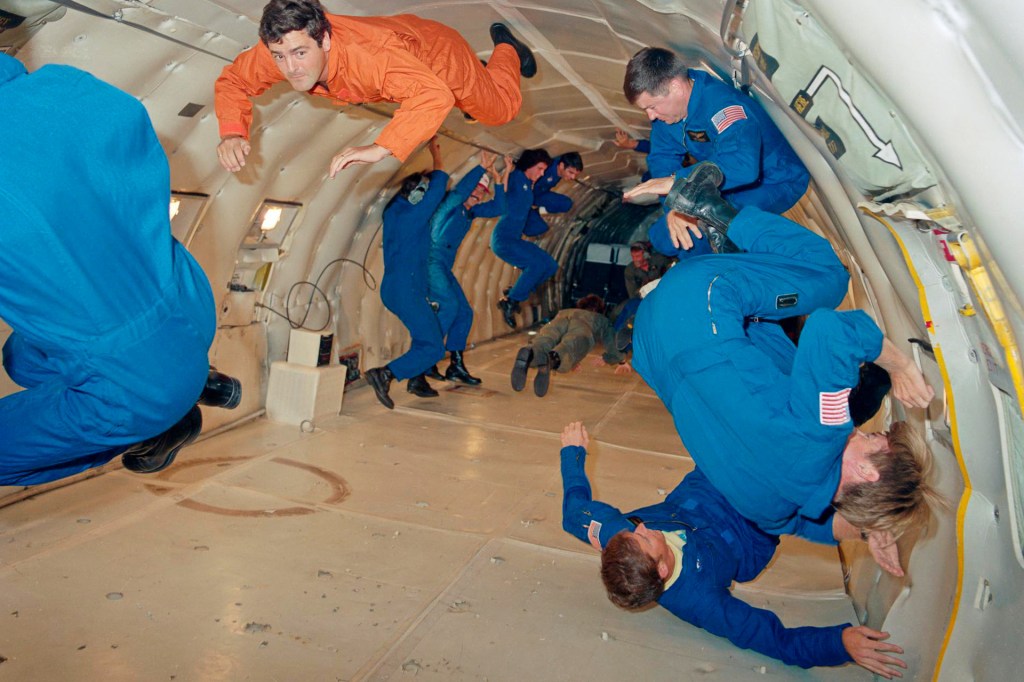
Anyone can apply for the NASA astronaut candidate program. NASA posts the application form online. As with other jobs, there are requirements: Applicants must be healthy. They must have a master’s degree in a STEM field, such as engineering, plus three years of professional experience. NASA also looks for “skills in leadership, teamwork, and communications.”
NASA hires new candidates roughly every four years. Would you like to apply someday?
More from United States

Share a Link
- Click the icon above to copy the url link to your clipboard.
- Paste the link into the location in which you share assignments with students. Examples might include, but are not limited to Canvas, Schoology and Edmodo.



Google Classroom
- Click on the icon above to share the article with a class in your Google Classroom.
- Choose an action. Options might include creating an assignment or asking a question.