




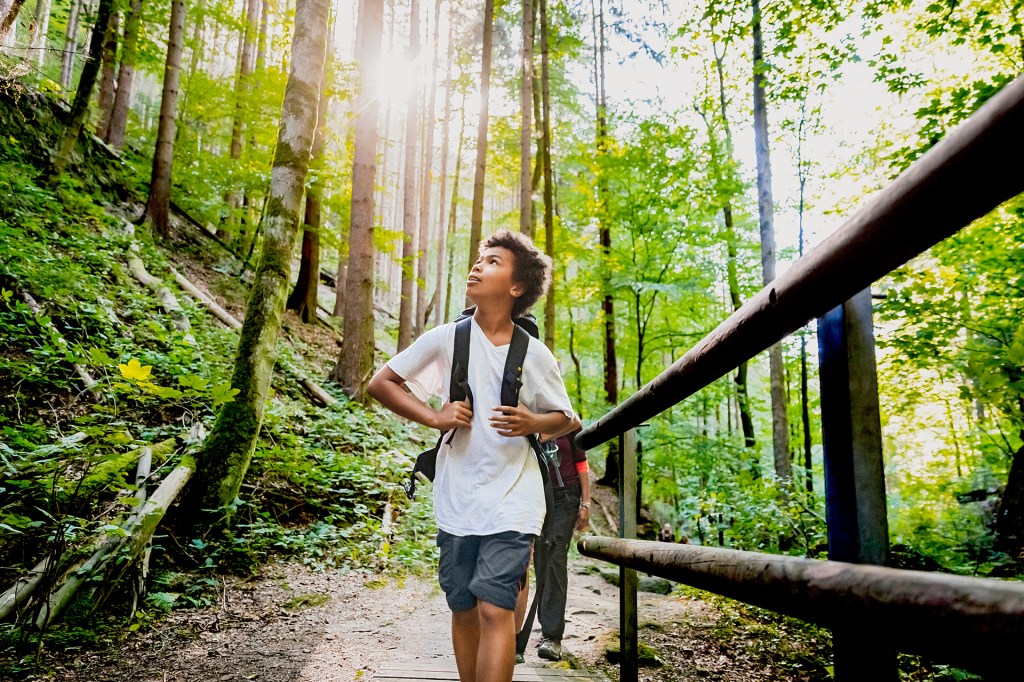
About 20 years ago, Miles Richardson started going on daily walks. He worked long days at a desk as a researcher in England. The walks helped get him up and moving. They made him feel better.
Richardson jotted down what he observed on his walks, from budding flowers to little shifts in the weather. In the first year, he wrote more than 50,000 words of notes. By the end of the second year, he had doubled that number. The experience “had quite a profound profound deep or vast (adjective) impact,” he says. “It changed my relationship with nature.”
Richardson says that intentionally noticing nature gave his well-being a boost. He was convinced the same would be true for others. He’s now one of the world’s leading researchers on nature connectedness. That’s the idea that feeling connected to nature is different from simply spending time outside. According to Richardson’s research, the trick is actually noticing your surroundings, whether you’re hiking near a vast canyon or sitting on a park bench.
Just 15 Minutes
A 2025 study described in Nature Cities found that spending just 15 minutes outside is enough to make a big difference. “Nature disconnects you from the things you’ve been stressing about,” says Anne Guerry, one of the study’s authors. It “puts you in the present moment.” Her team found that being in nature lessened anxiety anxiety a feeling of worry (noun) while increasing positive feelings.
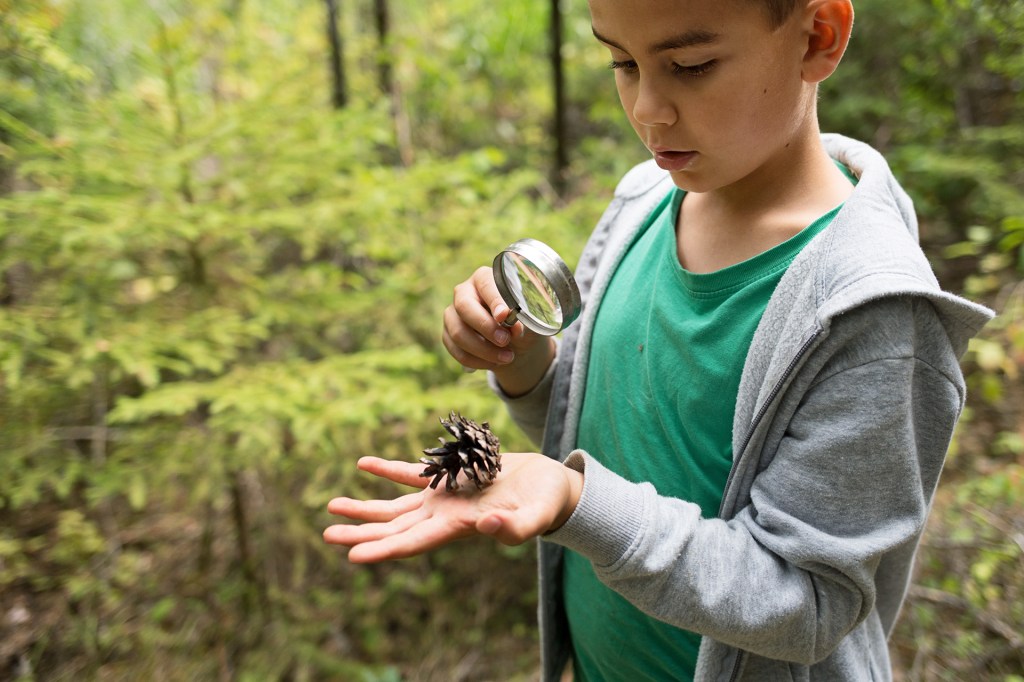
LOOK CLOSER Research shows that interacting with nature can benefit your mental health.
ELENA ABROMISOVA—GETTY IMAGES
The team looked at different types of green spaces, such as farmland, gardens, lakes, and parks. Guerry was surprised that urban forests stood out as having the largest positive effect on people. These are densely wooded areas within cities. Guerry suspects this is because urban forests are “the absence of other things” common to cities, such as noise and pollution.
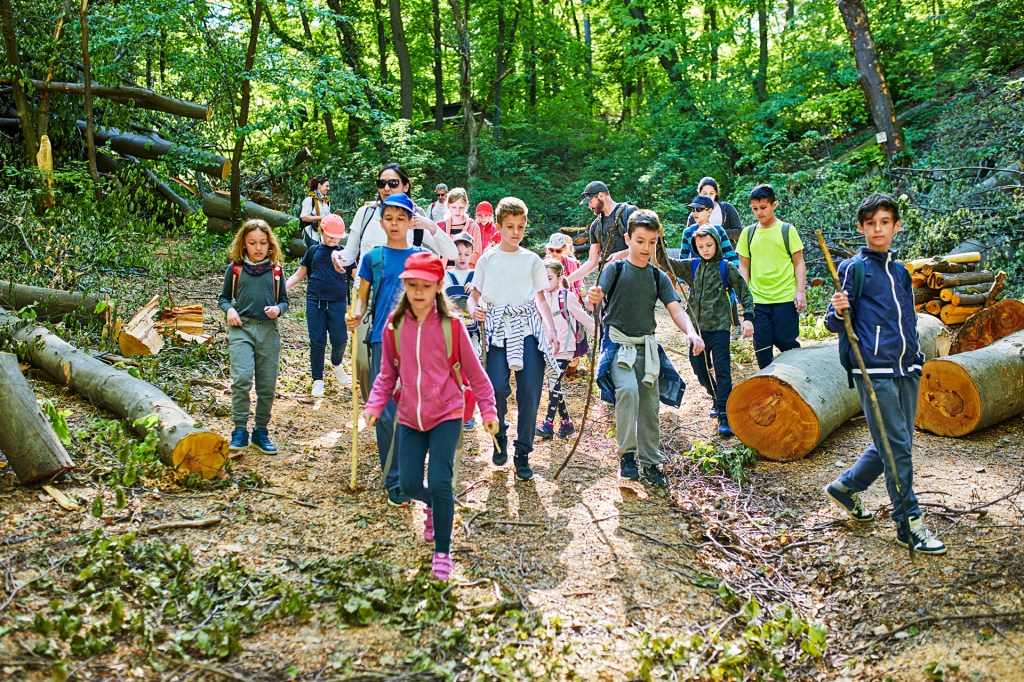
TAKE A HIKE Whether done solo or with a group, nature walks give people a chance to observe the natural world.
WESTEND61/GETTY IMAGES
Three Good Things
A short mindful mindful attentive (adjective) encounter in nature can do more to improve your mental health than a long distracted one, Richardson says. That’s the thinking behind his Three Good Things in Nature plan: Each day, engage your senses. Write down three good things you notice outside: a bird singing, the wind in the trees, the scent of flowers. People who did this exercise daily for a week reported seeing improvements in their well-being. Those improvements lasted up to a month.

SENSE IT When outside, engage your senses. What plants can you see? What does the air feel like?
GOODBOY PICTURE COMPANY/GETTY IMAGESNoticing nature is the first step, and appreciating it comes next. Take pictures or make art, Richardson says. Try journaling or writing a poem. Reflect on what comes in through your senses. People have done this for thousands of years.
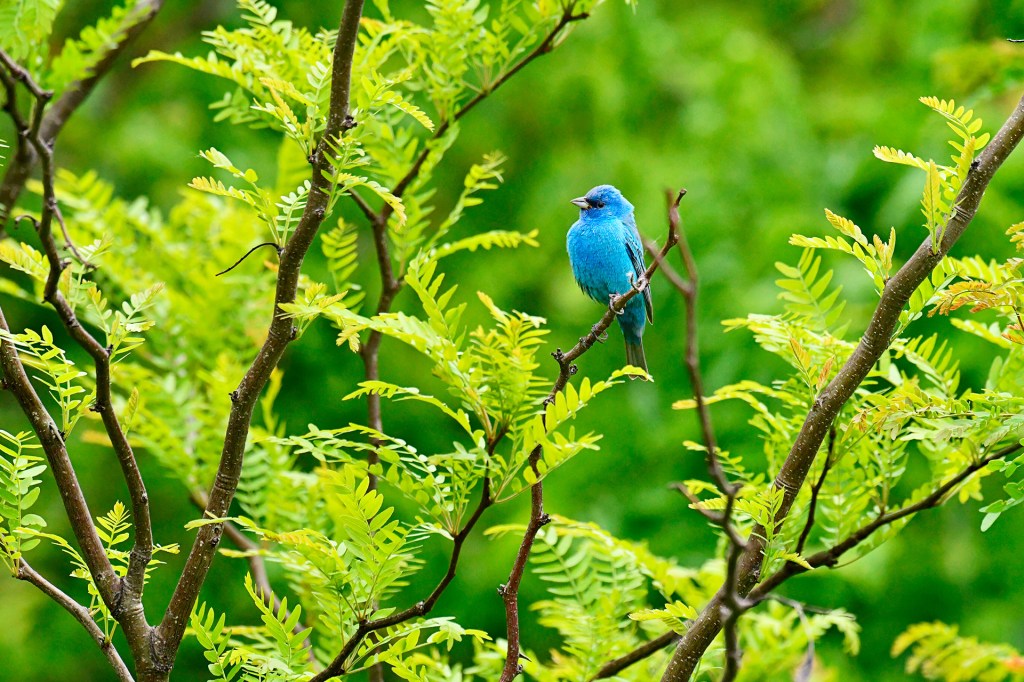
BIRDSONG Activities like birdwatching help people engage with nature.
JEFF R CLOW—GETTY IMAGESYou don’t need to travel to a national park or spend a week camping with your family to feel the benefits. Many people, Guerry points out, have some green space within a 10-minute walk of home. Even a single tree counts. “Our brains are wired to appreciate nature,” she says. “Seeing a tree, even if it’s from the window of your apartment building, is good for your brain.”

URBAN CALM Boston Common, in Boston, Massachusetts, offers an escape from the busy city around it.
BUSÀ PHOTOGRAPHY/ GETTY IMAGES
Help Nature Thrive
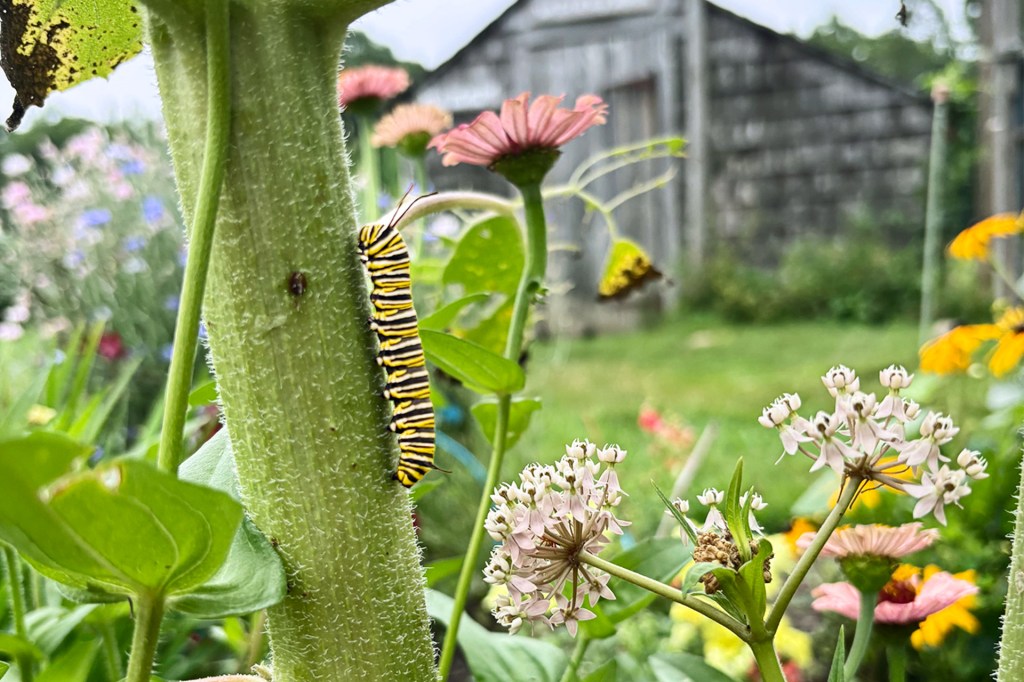
Kids can pitch in to keep green spaces beautiful and thriving. Pick up litter at a park. Volunteer at a community farm. Plant flowers—or an entire pollinator garden, like this one! TFK creative director Drew Willis helps tend it.
The garden “includes milkweed for the monarch butterflies,” he says. Community members “show up a few days a week to weed and plant and water things,” he adds. “They love it. It means a lot to them.”
More from Health




Share a Link
- Click the icon above to copy the url link to your clipboard.
- Paste the link into the location in which you share assignments with students. Examples might include, but are not limited to Canvas, Schoology and Edmodo.



Google Classroom
- Click on the icon above to share the article with a class in your Google Classroom.
- Choose an action. Options might include creating an assignment or asking a question.