



Wildlife Crossing
The Wallis Annenberg Wildlife Crossing will open on December 2. It goes over a 10-lane section of U.S. 101 in Los Angeles County, California. That’s one of the country’s busiest highways. Construction of the bridge began more than four years ago. The $114 million project is now nearly complete.
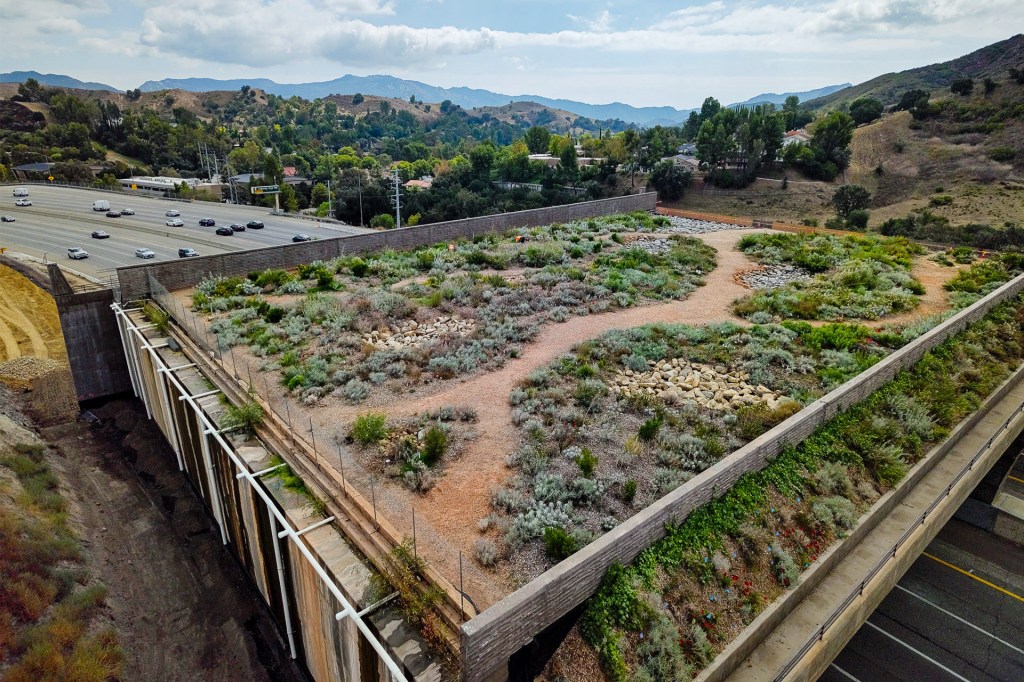
DRONE SHOT This view captured on August 23 shows the bridge from above, covered in soil and vegetation.
CALTRANS
Once finished, the new wildlife bridge will be the largest ever built. Coyotes, foxes, and other animals will safely make their way across.
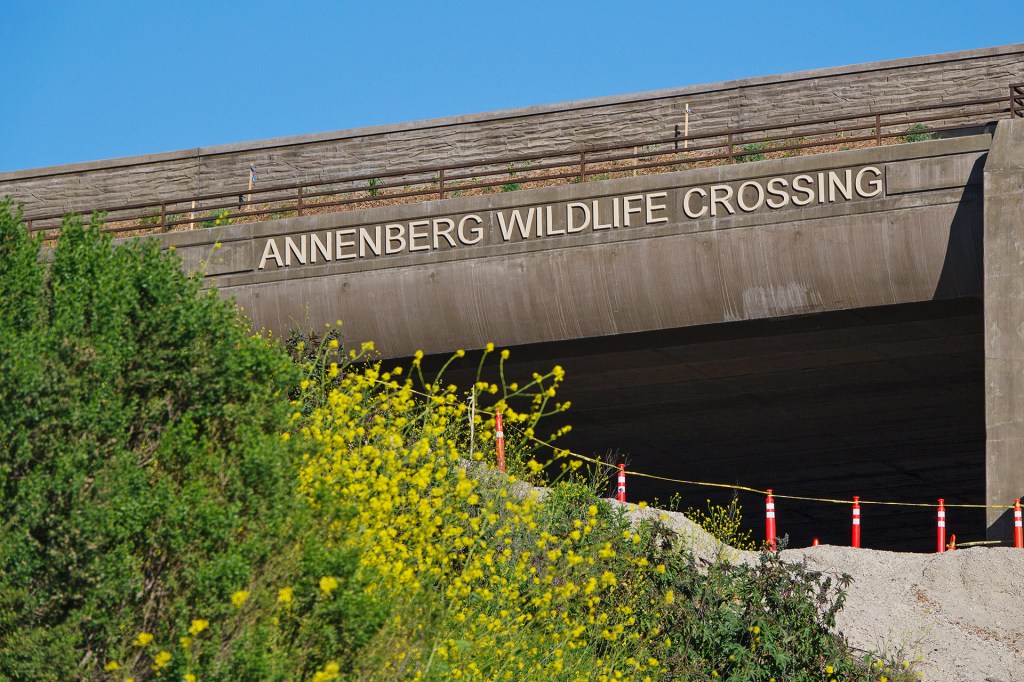
UNDER CONSTRUCTION A work in progress for more than four years, the crossing nears its final stage.
KEVIN CARTER—GETTY IMAGES
A Freeway in the Way
Freeways are a problem for wild animals. They split habitats. Then animals can’t safely go from one side to the other. “Without a safe and sustainable sustainable able to be maintained (adjective) wildlife crossing, movement between these remaining areas of natural habitat is severely restricted,” reads a statement on the state of California’s website. “Wildlife within the Santa Monica Mountains is essentially trapped.”
Jeff Sikich is a wildlife biologist biologist a scientist who studies living things (noun) . He works for the Santa Monica Mountains National Recreation Area. He leads a mountain lion study there. Sikich told TIME for Kids that the 101 freeway “is a major barrier” for the lions. It separates those living there from those farther to the north.
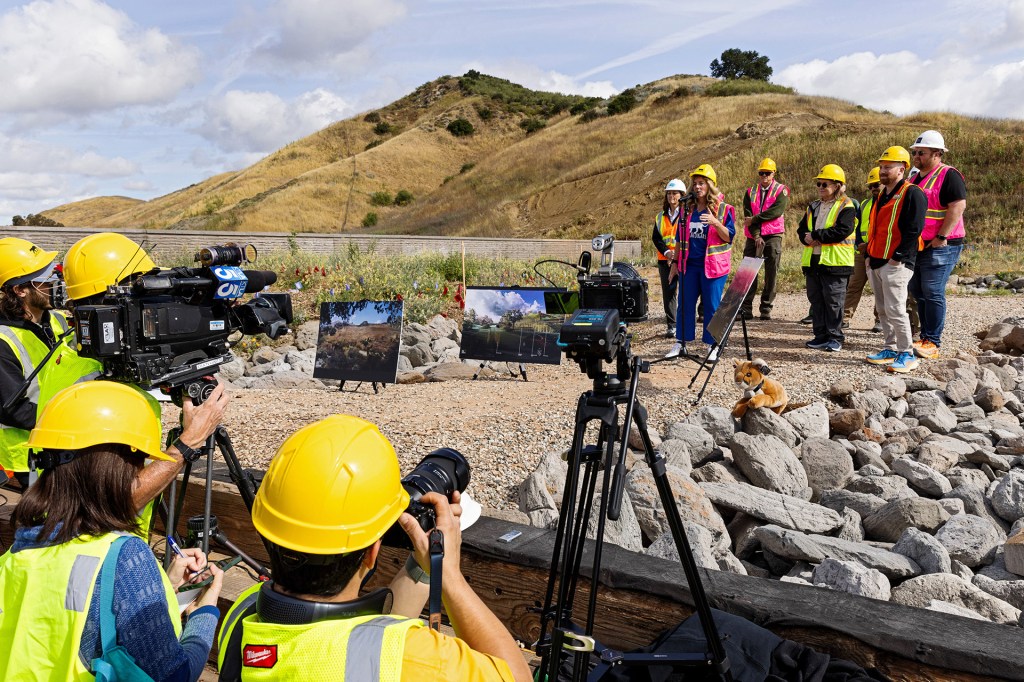
EARTH DAY Reporters gather at the site of the crossing on April 22, 2026.
NATIONAL WILDLIFE FEDERATION
When animal groups remain apart for a long time, they encounter problems. For example, Sikich says, the mountain lions “have fewer opportunities to find mates from other areas.” The entire population gets weaker. The new wildlife crossing will give them, and other species, a path forward.
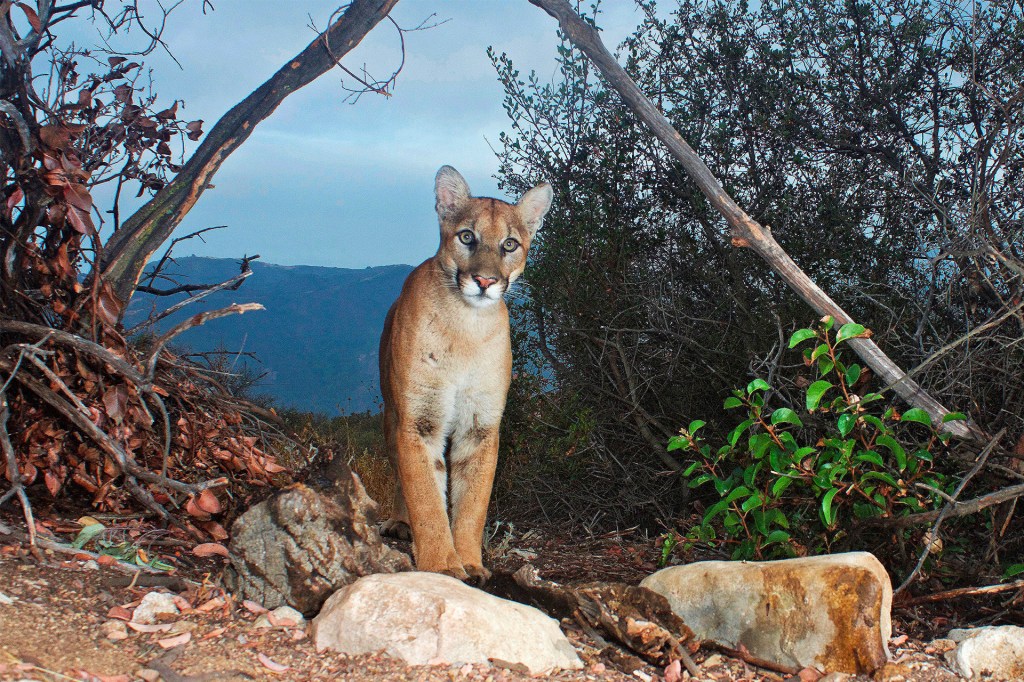
PROWL ON Mountain lions will see separate parts of their habitat reconnected by the new bridge.
JASON KLASSI—GETTY IMAGES
For All Animals
Seth Riley is another biologist for the Santa Monica Mountains National Recreation Area. He leads the wildlife team. Riley says the crossing was created for all sizes of animals. “Some of the smallest animals may do more than cross it,” he told TFK. “Lizards, insects, and small mammals might even make their homes on or near the crossing as the native plants grow.”
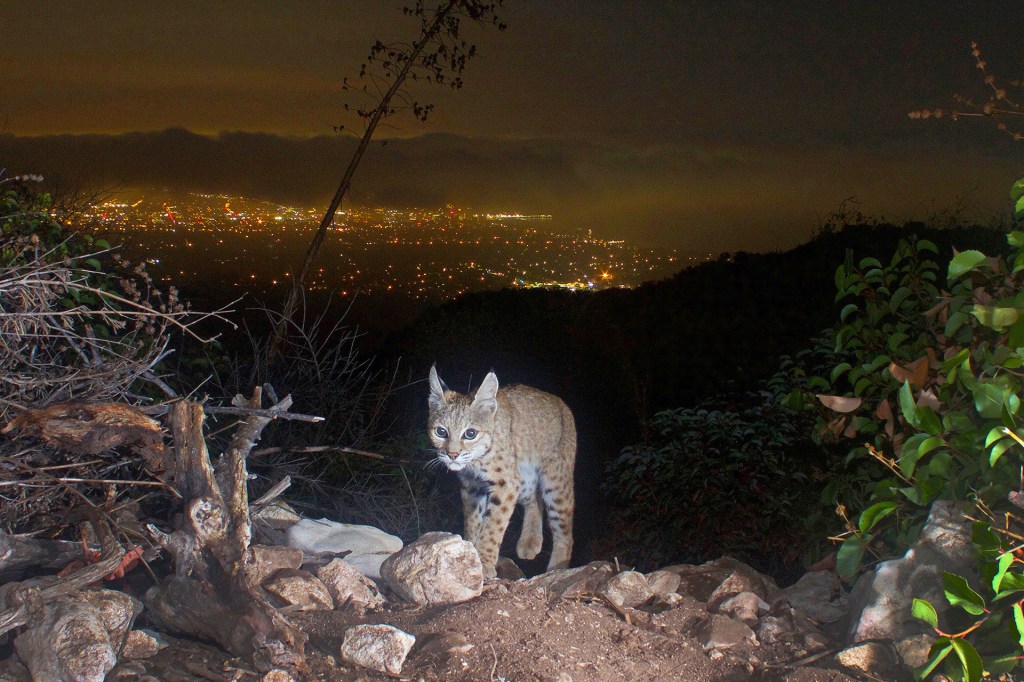
MORE CATS Other cat species, such as bobcats, will use the bridge too.
JASON KLASSI—GETTY IMAGES
Freeways are busy. They’re noisy. Animals are scared away. But the crossing is covered with soil and plants. Small rock piles provide hiding places. When the bridge is finished, it will look and feel like a natural part of the land.
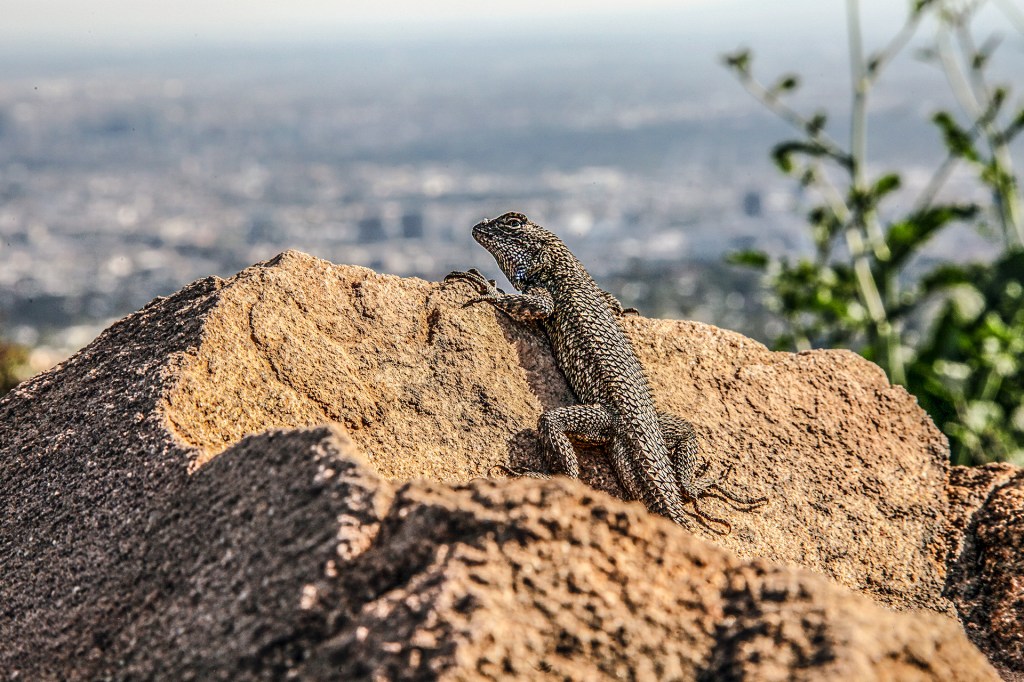
LITTLE GUYS Small animals might make homes on the bridge.
BYRON HANGEY—GETTY IMAGES
Scientists will use remote cameras and tracking collars to see what animals show up. More than 50 cameras will watch the crossing and the land around it. Riley remembers a small fence lizard. It climbed to the top of the crossing while it was being built. The bridge wasn’t connected to either side yet. But the lizard was already investigating. “Wildlife is often more curious and adaptable than we expect,” Riley says.
Beth Pratt works for the National Wildlife Federation. She helped lead the campaign to build the crossing. As Pratt told the Los Angeles Times in January, “Build it, and they really do come.”
Remembering P-22
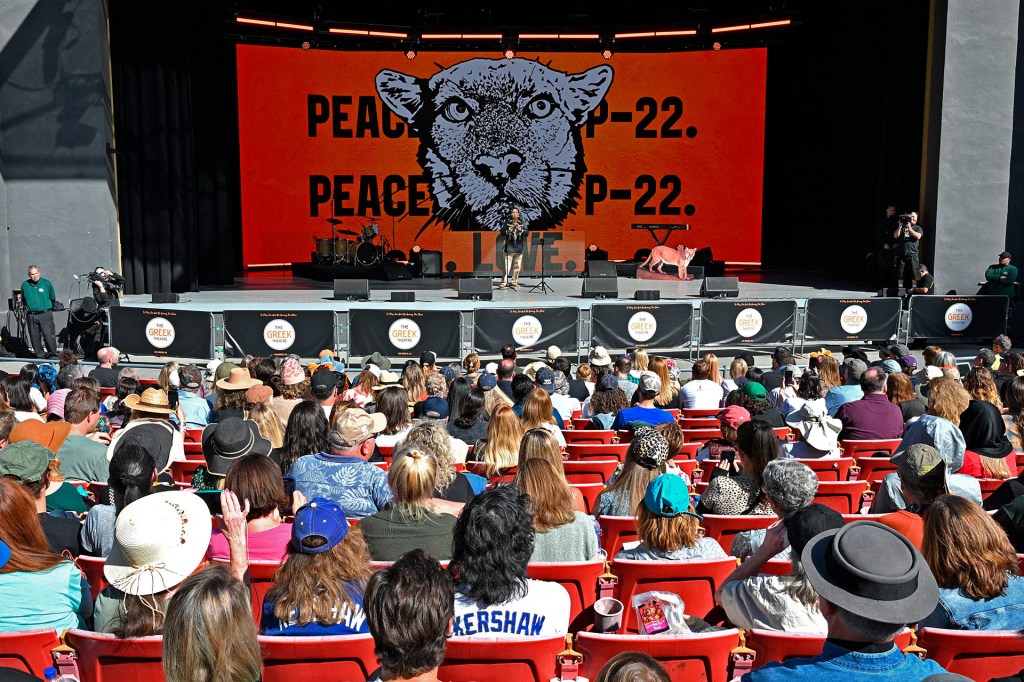
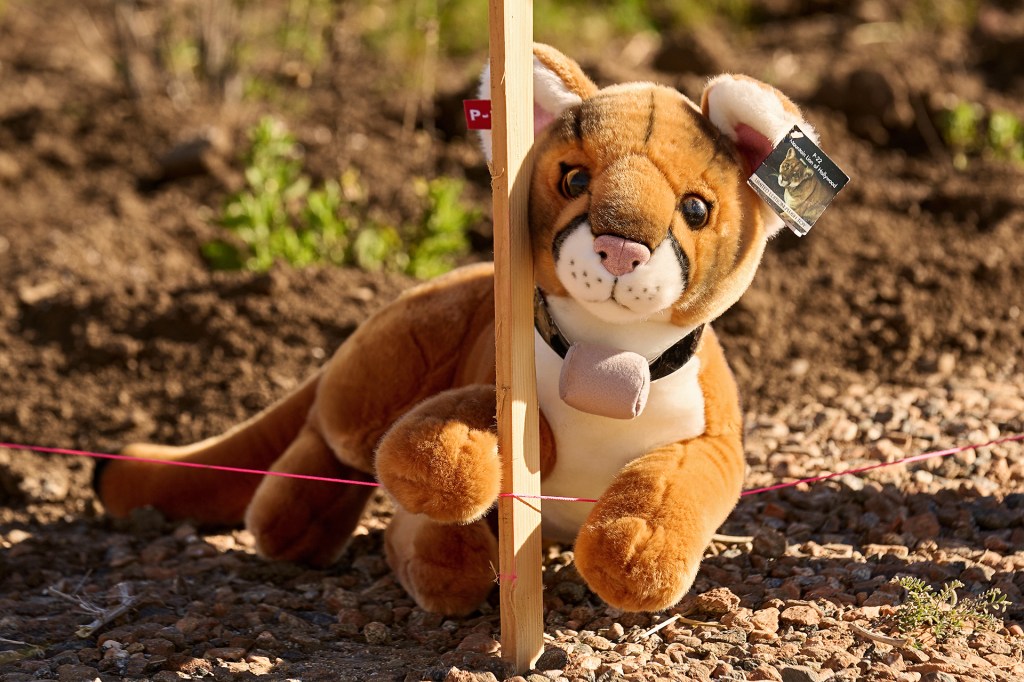
P-22 was a famous mountain lion. He lived in Griffith Park. That’s in the middle of Los Angeles. For a decade, scientists tracked and studied him. He died in 2022. People gathered for a memorial (above) in his honor in 2023.
Jeff Sikich has called P-22 an “important ambassador for urban wildlife.” P-22 showed how a big cat might manage to live in a busy city, despite the many challenges. The new wildlife crossing is part of his legacy.
More from Environment
Share a Link
- Click the icon above to copy the url link to your clipboard.
- Paste the link into the location in which you share assignments with students. Examples might include, but are not limited to Canvas, Schoology and Edmodo.



Google Classroom
- Click on the icon above to share the article with a class in your Google Classroom.
- Choose an action. Options might include creating an assignment or asking a question.