




Bright Skies
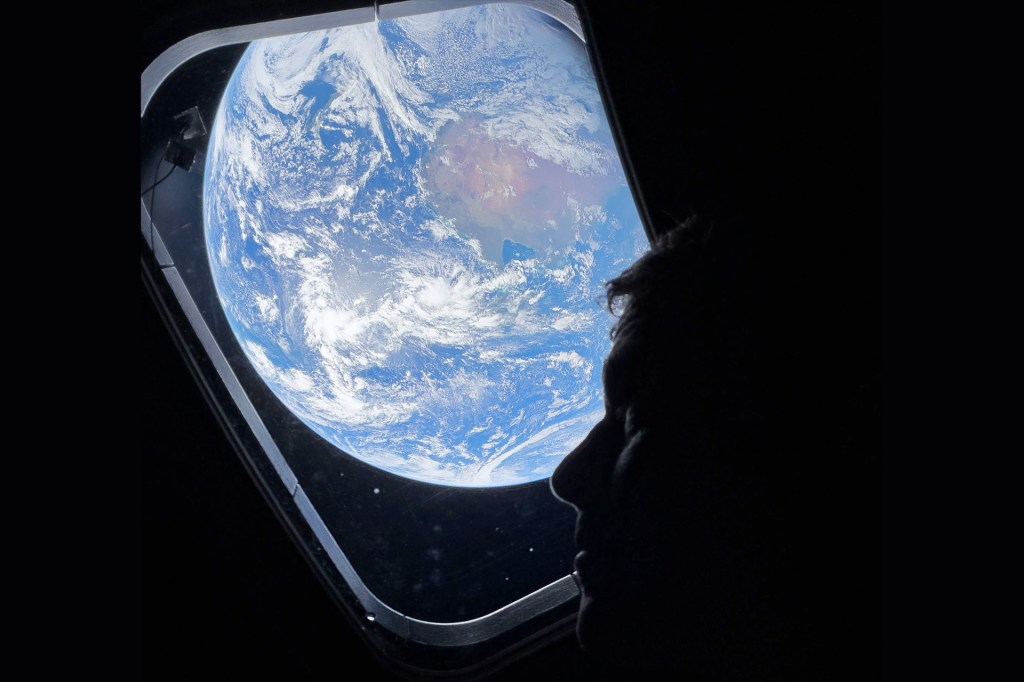
The Artemis II spaceflight began on April 1. Its crew lifted off from NASA’s Kennedy Space Center, in Cape Canaveral, Florida. The mission ended successfully on April 10. The craft’s capsule capsule a small compartment or spacecraft in which astronauts travel (noun) gently landed in the ocean near San Diego, California.
It was the first crewed mission to the moon in 54 years. There were four astronauts aboard. They were commander Reid Wiseman, pilot Victor Glover, and mission specialists Jeremy Hansen and Christina Koch. NASA administrator Jared Isaacman called the mission “the greatest adventure in human history.”
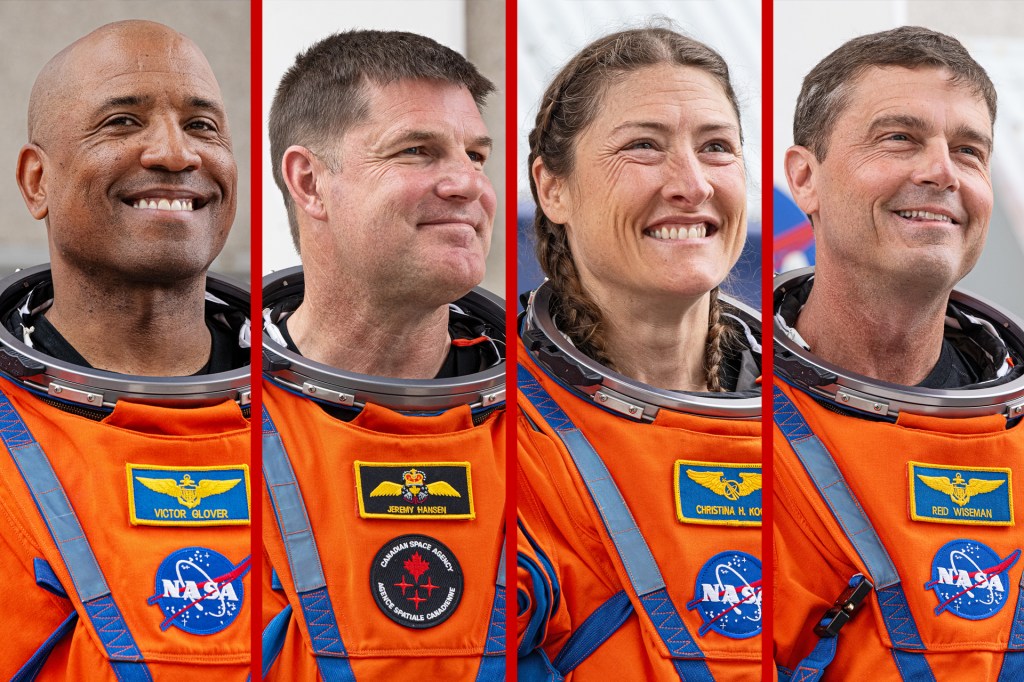
Left to right are pilot Victor Glover, mission specialist Jeremy Hansen, mission specialist Christina Koch, and commander Reid Weisman
NASA/JOHN KRAUS
Historic Mission
Artemis II flew around the far side of the moon (see “Moon Swing”). The crew traveled 252,756 miles from home. That’s farther from Earth than anyone has traveled before.
This was the second mission in the Artemis program. NASA describes Artemis as a series of missions that will “enable human exploration at the moon and future missions to Mars.” Artemis I was uncrewed. It traveled around the moon in 2022.
Artemis II had several goals. It tested two NASA vehicles. One was the Orion spacecraft, which carried the astronauts. The other was the Space Launch System (SLS). That’s the rocket that launched the craft. The mission also allowed the astronauts to take more than 7,000 pictures. They captured the lunar surface. They also captured a solar eclipse.
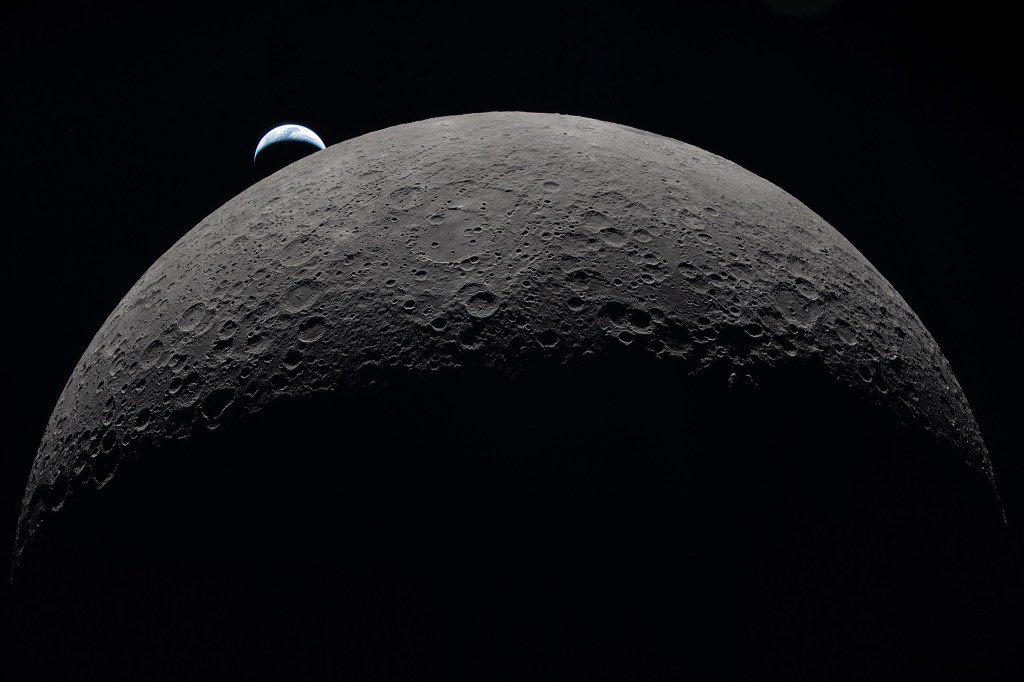
EARTHSET Astronaut Reid Wiseman captured this photo of Earth peeking over the moon on April 6.
NASA
There were challenges. The spacecraft had never carried people. The astronauts reentered Earth’s atmosphere using a path that had never been attempted. And they were protected by a heat shield that had malfunctioned malfunction to fail to work properly (verb) during the Artemis I mission. (The shield was modified for Artemis II.)
Amit Kshatriya is NASA’s associate administrator. Before splashdown, he said he had “full confidence” in all teams. That confidence was rewarded on April 10, when the crew returned safely to Earth.
Flying into the Future
What’s next for the Artemis program? NASA hopes to fly Artemis III in Earth’s orbit in 2027. It will test its lunar landers. Artemis IV and V could land on the moon in 2028.
There are challenges ahead. The biggest involves the lunar lander. It doesn’t yet exist. The company SpaceX is building it.
But for now, the focus is on Artemis II’s success. “This moment belongs to the thousands of people across fourteen countries who built, tested, and trusted this vehicle,” Kshatriya said. “Their work protected four human lives traveling at 25,000 miles per hour and brought them safely back to Earth.”
Moon Swing
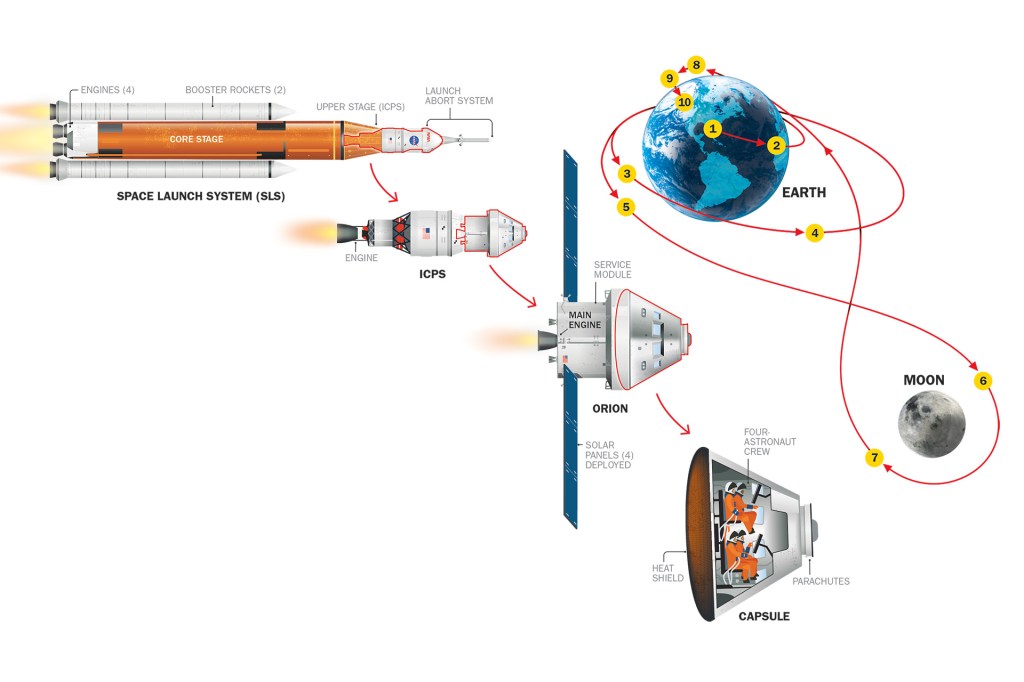
Here’s how the Artemis II moon mission happened:
The football-field-length SLS launched from Kennedy Space Center, in Florida, on April 1.
The used booster rockets and core stage separated, leaving only the Orion capsule and the Interim Cryogenic Propulsion Stage (ICPS).
While the Orion and the ICPS were still in Earth’s orbit, operational checks were performed.
The Orion separated. Astronauts tested handling, hardware, and software.
The craft fired its engine to exit the Earth’s orbit and head toward the moon.
After four days, the Orion flew within 4,000 miles of the moon.
Gravity from the moon and Earth was harnessed for the crew’s return.
The capsule separated to begin its 75-mile fall to Earth.
Parachutes deployed to slow the capsule.
Splashdown was off the coast of San Diego, California, on April 10. A ship recovered the astronauts and capsule.
Paired Text

More from United States



Share a Link
- Click the icon above to copy the url link to your clipboard.
- Paste the link into the location in which you share assignments with students. Examples might include, but are not limited to Canvas, Schoology and Edmodo.



Google Classroom
- Click on the icon above to share the article with a class in your Google Classroom.
- Choose an action. Options might include creating an assignment or asking a question.